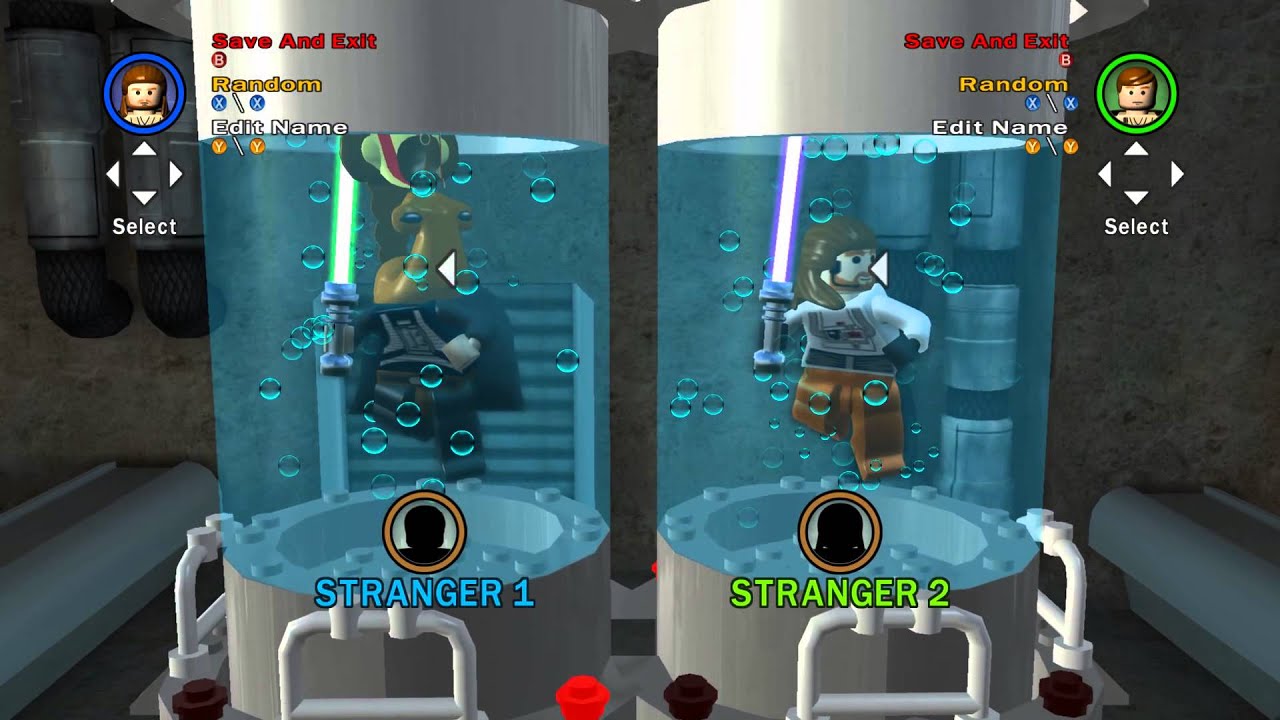
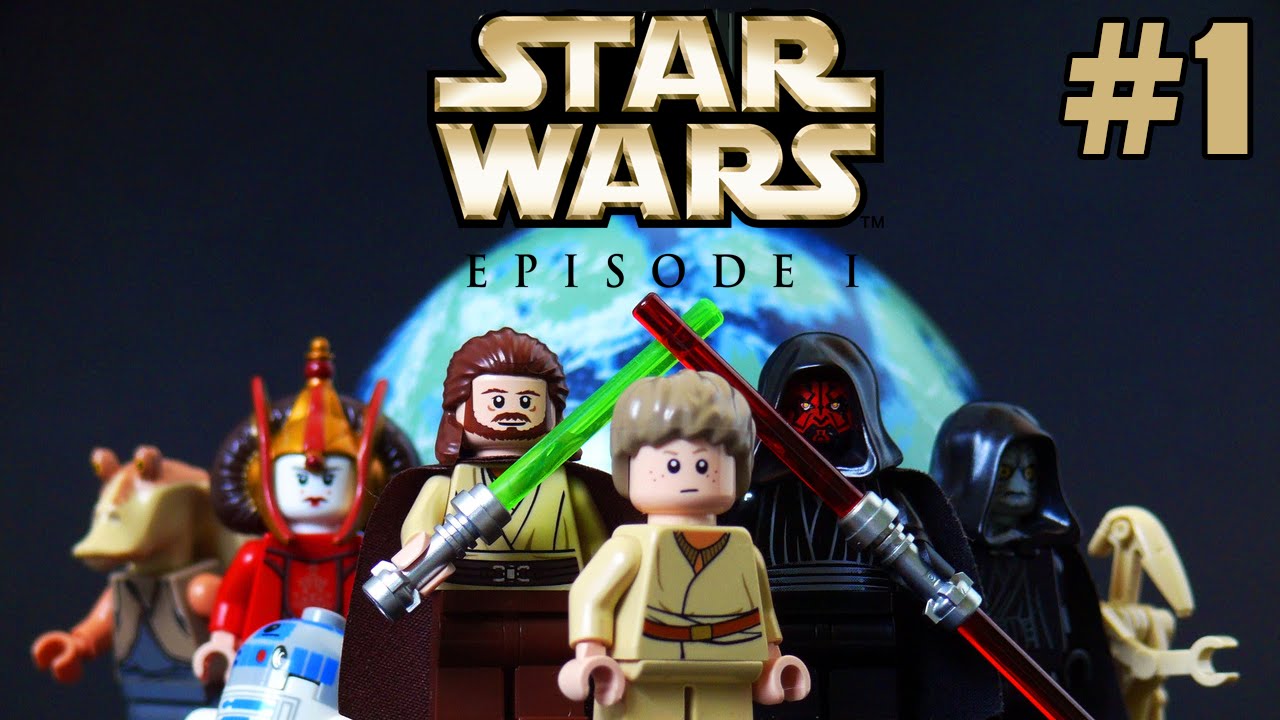
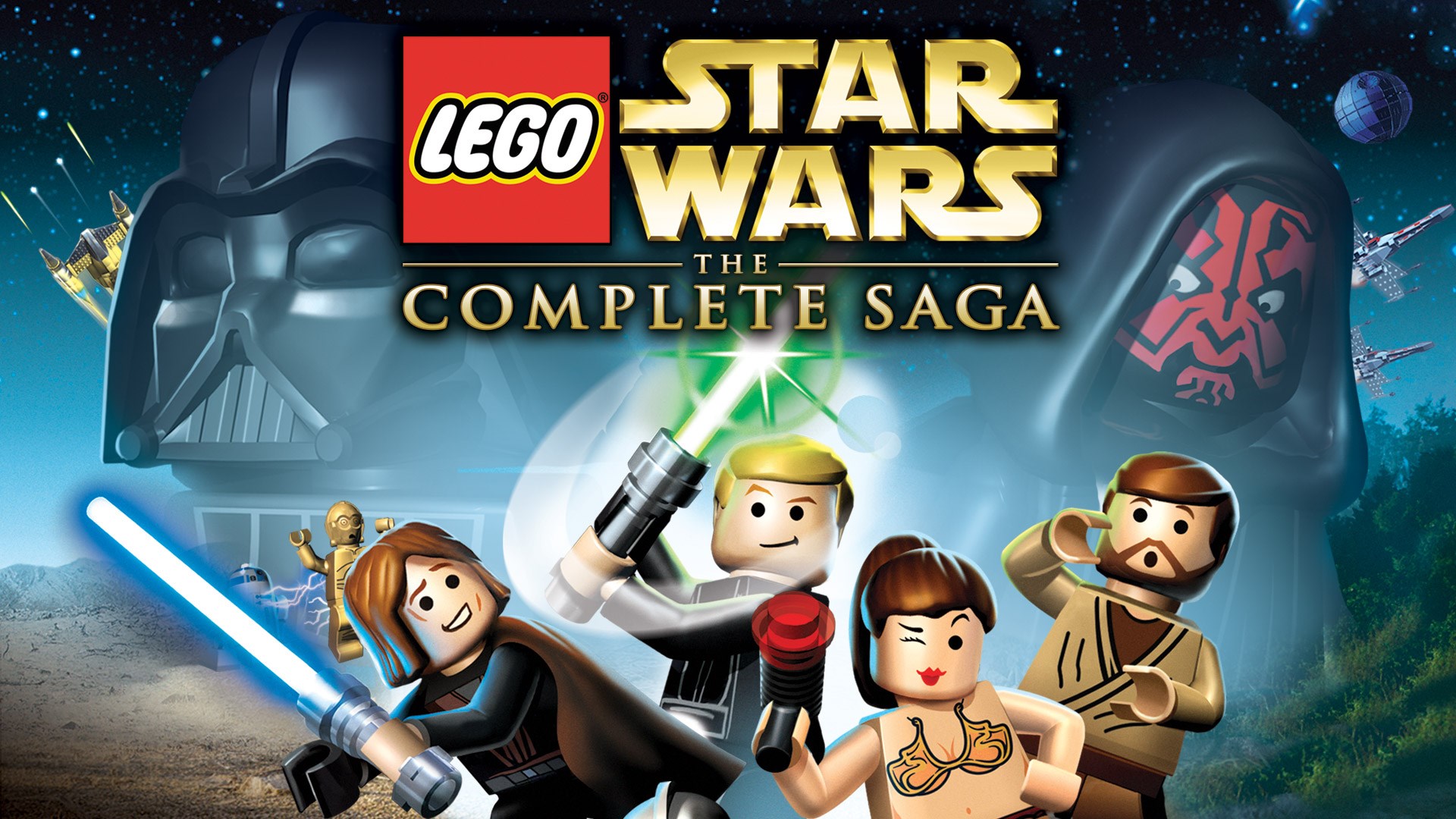
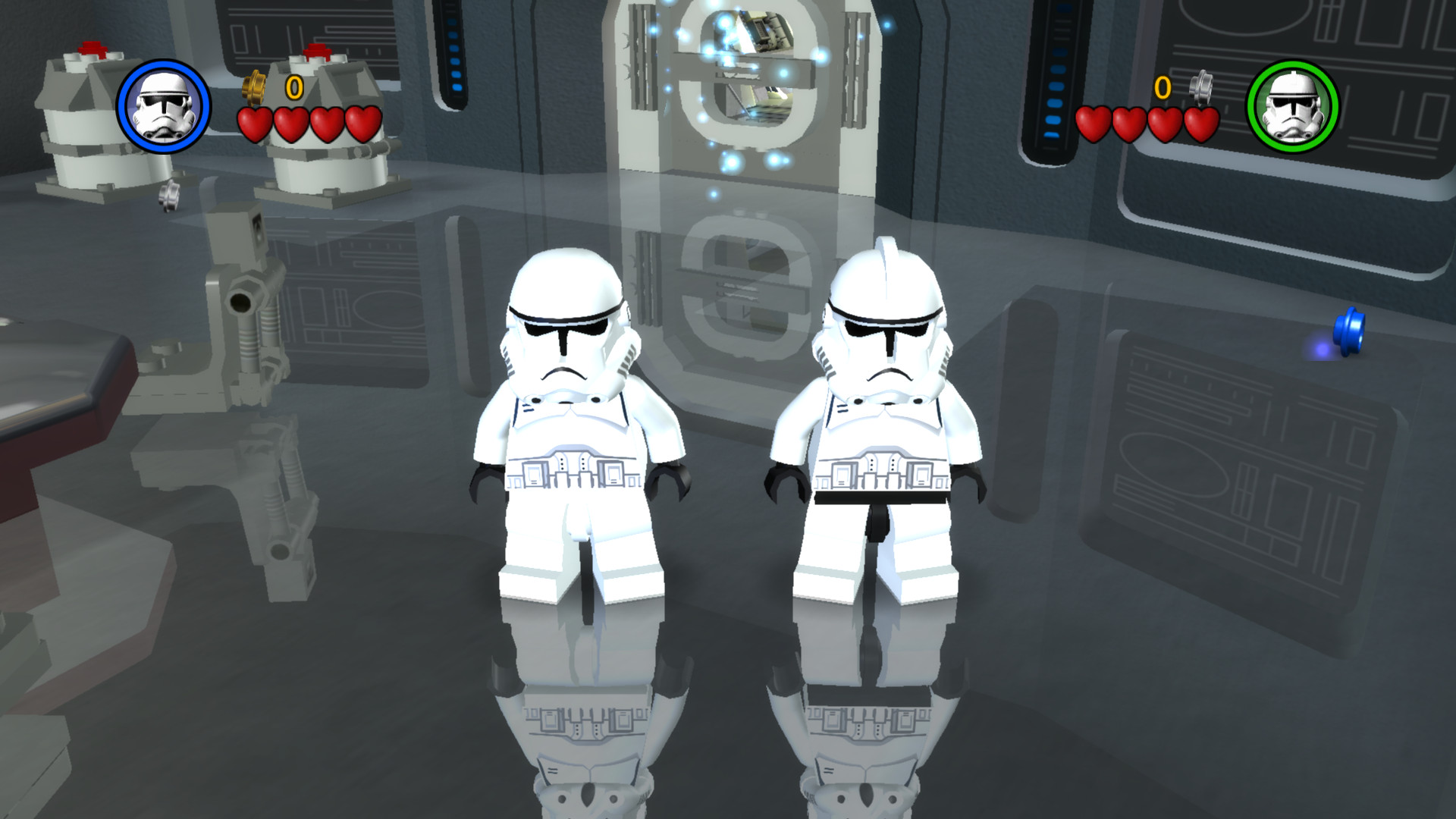
Ah, Lego Star Wars: The Video Game. Who doesn't have fond memories of smashing Lego bricks and wielding a lightsaber as Obi-Wan Kenobi? Released way back when, this game remains a classic. But getting it to run smoothly on a modern Windows 10 machine can sometimes feel like navigating the Kessel Run in under twelve parsecs. Don't worry, though, it's definitely achievable! Why bother? Because reliving those nostalgic moments, introducing a new generation to the simple joy of Lego Star Wars, or even just having a fun, lighthearted gaming session are all excellent reasons to bring this classic back to life.
Think about it: maybe you played this as a kid and want to share the experience with your own children. Imagine the joy of co-op mode, building Lego bridges together and laughing at the silly character animations. Or perhaps you're a Star Wars enthusiast looking for a less serious, more comedic take on the prequel trilogy. Maybe you just want a game that’s genuinely fun and doesn't require a PhD in button combinations to master. Lego Star Wars offers all of this, and more. It's a chance to reconnect with a simpler time, a time when podracing and building things out of plastic bricks were the height of excitement.
So, how do we make it work on Windows 10? Here are a few tips and tricks:
1. Compatibility Mode: This is usually the first and easiest solution. Right-click on the Lego Star Wars shortcut icon (or the .exe file itself, usually found in the game's installation folder). Select "Properties," then click on the "Compatibility" tab. Check the box that says "Run this program in compatibility mode for:" and choose Windows XP (Service Pack 3). You can also try Windows 98/Windows ME if XP doesn't work. Give it a shot!
2. Run as Administrator: Still in the "Properties" window, also on the "Compatibility" tab, check the box that says "Run this program as an administrator." Sometimes, the game needs elevated permissions to access certain files or system resources. This simple step can often solve a multitude of problems.

3. DirectX: Ensure you have DirectX 9.0c installed. Even if your system uses a newer version of DirectX, the game may require this older version for proper functionality. You can usually find the DirectX 9.0c redistributable package online from Microsoft's website. It's a small download and vital for many older games.
4. Configuration Files: Some users have reported success by manually editing the game's configuration files. These files usually contain settings for resolution, graphics, and other options. Be careful when editing these files, and always create a backup copy before making any changes. You can usually find instructions on specific forums dedicated to Lego Star Wars, detailing which lines to modify and what values to use. Google is your friend!

5. Graphic Card Drivers: Make sure your graphic card drivers are up to date. While this game is old, outdated drivers can still cause issues. Visit the website of your graphics card manufacturer (Nvidia, AMD, Intel) to download the latest drivers for your card.
If you follow these steps, you should be well on your way to playing Lego Star Wars on Windows 10. Don't be afraid to experiment with different compatibility settings and driver versions until you find what works best for your system. It might take a little tweaking, but the payoff – hours of Lego-smashing, lightsaber-wielding fun – is definitely worth it. The Force (and a bit of technical know-how) will be with you!