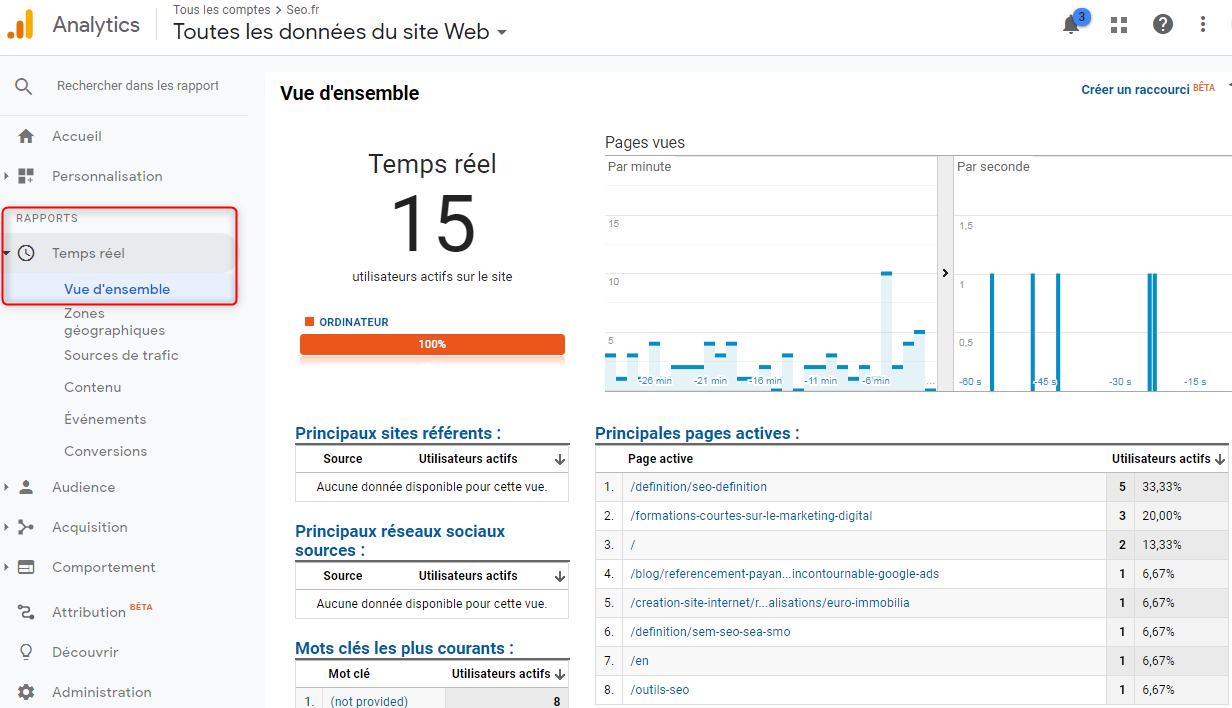
Google Analytics! Who hasn't heard of it? It's the go-to tool for understanding what's happening on your website. While often associated with big businesses, Google Analytics is incredibly useful for individuals, families, and even community groups looking to make their online presence more effective. Why does it matter for you, beyond the corporate world?
Think about it. Maybe you're running a small blog about your family's adventures. Or perhaps you're a local artisan selling handmade crafts. Or even better, you're volunteering for your neighborhood association and helping them manage their website. In all these cases, understanding who's visiting your site, what they're looking at, and how they're finding you is crucial. Google Analytics gives you these insights, allowing you to tailor your content and strategy to better serve your audience.
Imagine you're posting recipes on your family blog. Google Analytics can show you which recipes are the most popular. This helps you understand what your readers (likely your extended family and friends!) are enjoying, so you can focus on sharing more of what they love. Or, if you're selling crafts, you can see which products are attracting the most attention. This lets you optimize your product descriptions, prices, or even your marketing efforts to boost sales. For the neighborhood association, understanding which pages are visited most often can highlight areas where communication needs improvement - perhaps the page about upcoming events isn't getting enough traffic, signaling a need to promote it more effectively.
So, how do you actually get Google Analytics up and running? It's easier than you might think!
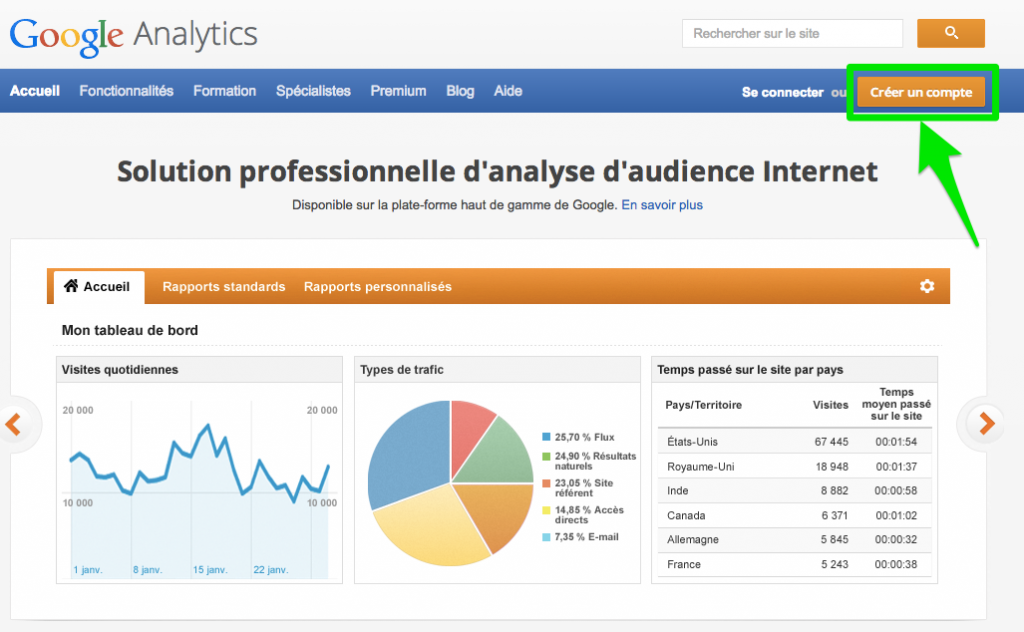
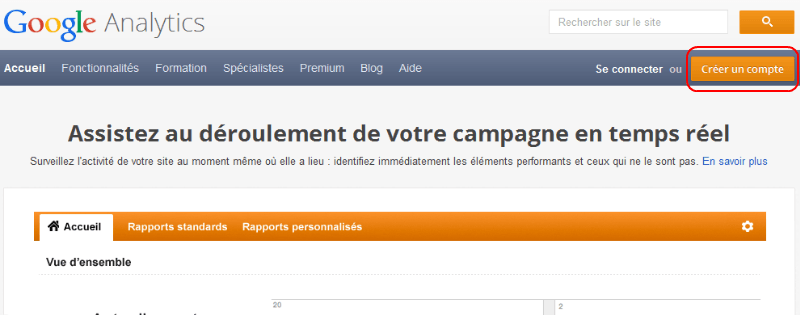
First, you'll need a Google account (most people already have one!). Then, go to the Google Analytics website (just search for it on Google!) and sign up. You'll be guided through the process of creating an "account" (which represents your website) and a "property" (which is the specific website you want to track). The most important step is getting your tracking code.

Google Analytics will provide you with a small snippet of JavaScript code. This code needs to be added to every page of your website that you want to track. This is where things can get a little technical, but most website platforms (like WordPress, Wix, Squarespace, etc.) have easy ways to insert code into the header or footer of your site. Look for a section labeled "header code," "custom HTML," or something similar. Copy and paste the tracking code there.
Don't worry if it seems complicated at first! There are tons of online tutorials and guides specifically for your website platform. Just search for "add Google Analytics to [Your Website Platform Name]".

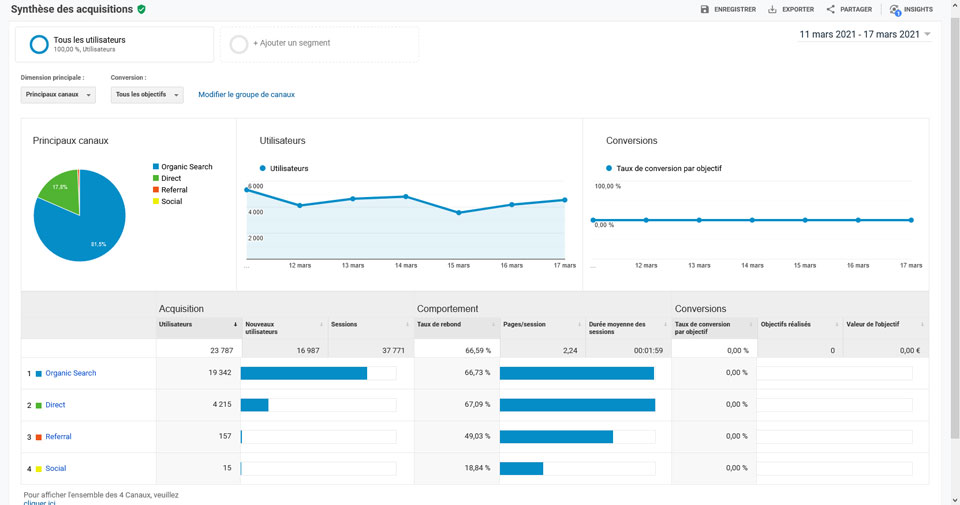
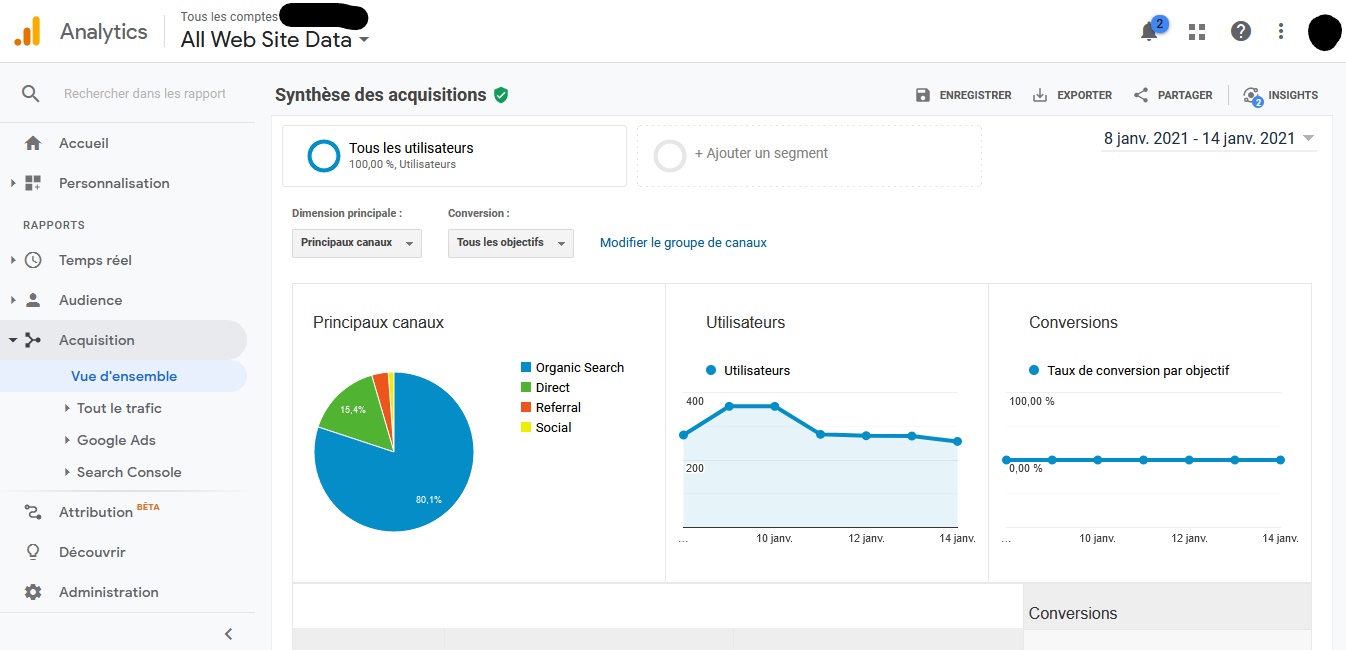
Once the code is installed, it takes about 24 hours for data to start showing up in your Google Analytics dashboard. Be patient! After that, you can start exploring the different reports to understand your website traffic. Pay attention to things like "Pageviews," "Bounce Rate," "Session Duration," and "Traffic Sources." These will give you valuable insights into how people are interacting with your site.
In conclusion, while it might seem intimidating at first, getting Google Analytics working for your website is worth the effort. Whether you're sharing family recipes, selling handmade goods, or contributing to your community, understanding your audience is key to success. Google Analytics provides the tools you need to make informed decisions, improve your online presence, and ultimately, achieve your goals. So, give it a try! You might be surprised at what you discover.