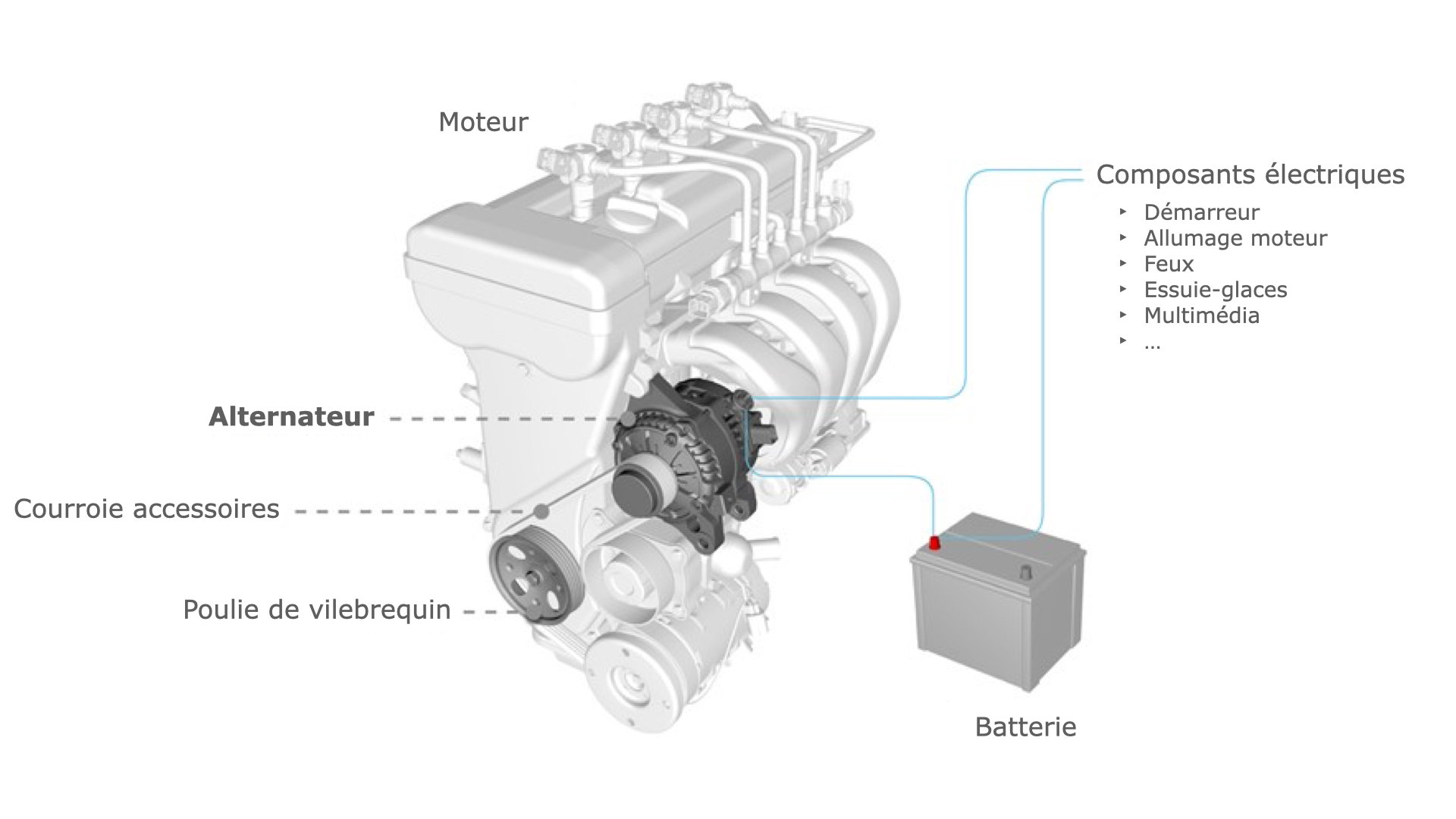
Okay, okay, picture this: I'm driving down the road, windows down, singing along (terribly, I admit) to my favorite 80s power ballad. Suddenly, the music starts to sound...warbly. Like the car is trying to serenade me, but failing miserably. Then, the lights dim. My dashboard looks like a Christmas tree on the fritz. Uh oh.
Yeah, turns out, my alternator had decided to take an early retirement. A rather inconvenient retirement, I might add. This got me thinking, wouldn’t it be nice to know before you're stranded on the side of the road that your alternator is about to give up the ghost? (You know, proactive maintenance and all that jazz.) So, I decided to do some digging, and here’s what I found on how to tell if your alternator is about to check out.
Spotting the Warning Signs: It's All About the Clues
First things first, your car is surprisingly good at telling you when something's up. It's just that sometimes, we're too busy scrolling through TikTok to notice. So, let's put down the phone (gasp! I know, shocking) and pay attention.
Dimming or Flickering Lights: This is probably the most obvious sign. If your headlights, interior lights, or dashboard lights are dimming or flickering, especially at idle, your alternator might be struggling to keep up. Think of it like a dying fire – it's sputtering and weak.
Warning Lights: Your dashboard is full of little symbols that, let's be honest, most of us ignore until they light up. But that "battery" light? Pay attention to that! It doesn't always mean the battery itself is bad; it often indicates a problem with the charging system, which points right back to the alternator. (Side note: Refer to your car manual for the exact meaning of each light – it’s actually useful, I swear!)

Strange Noises: Alternators aren't usually chatty, so if you start hearing weird noises coming from the engine compartment, especially whining, grinding, or growling sounds, it’s time to investigate. These noises can indicate worn bearings or other internal damage. Imagine a grumpy old man stuck in a machine – not a pretty sound.
Electrical Problems: Are your power windows moving slower than molasses in January? Is your radio cutting out? Are your heated seats lukewarm at best? These are all signs that your electrical system isn't getting enough juice, which could be a direct result of a failing alternator. Basically, everything that needs electricity to work will start to act sluggish and unhappy.
Getting Technical: A Few Simple Tests
Okay, so you've noticed some of the warning signs. Now what? Time for some basic testing. Don't worry, you don't need to be an expert mechanic (I certainly am not!).

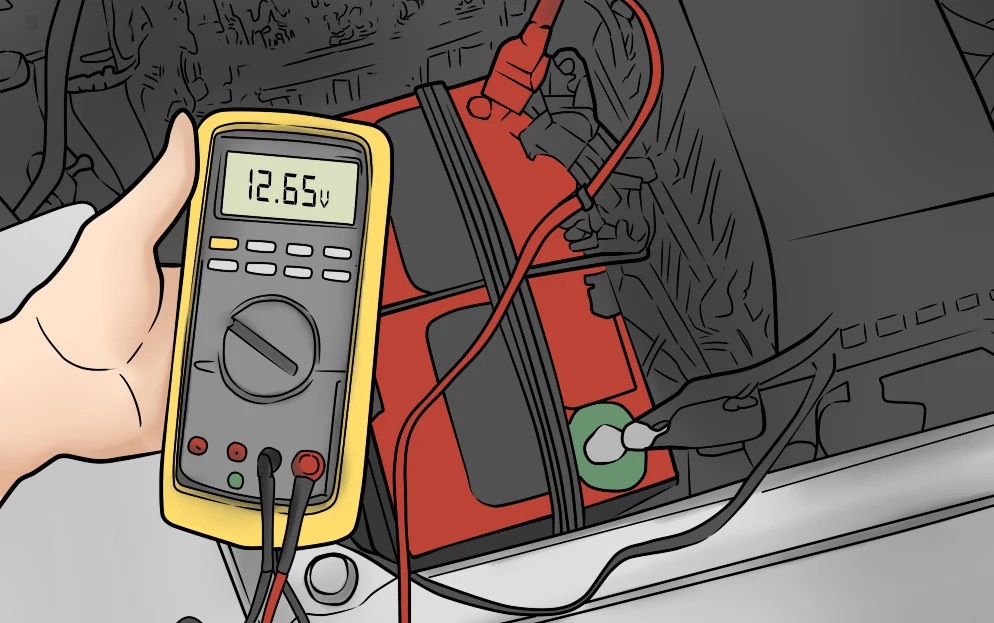
The Voltmeter Test: This is probably the easiest and most reliable way to check your alternator's output. You’ll need a voltmeter (you can buy one for pretty cheap at any auto parts store, or even online). Here's the gist:
- Turn on your car.
- Set the voltmeter to DC voltage.
- Connect the red (positive) lead to the positive terminal on your battery, and the black (negative) lead to the negative terminal.
- Check the voltage reading. A healthy alternator should be putting out around 13.5 to 14.5 volts. If it's significantly lower than that, your alternator is likely on its way out.
(Important Safety Note: Be extremely careful when working around your car's battery and electrical system. Wear eye protection and avoid touching any exposed metal parts.)
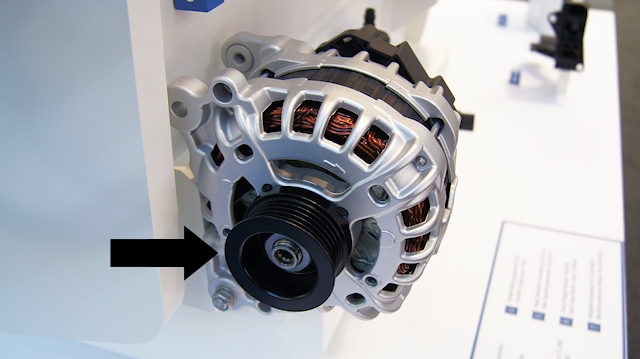
The Load Test: This test checks how well your alternator can handle a load. With the voltmeter still connected, turn on some electrical accessories, like your headlights, radio, and air conditioning. If the voltage drops significantly when you turn on these accessories, your alternator is probably struggling. Think of it like asking someone to carry heavy boxes – if they can't handle it, they're not up to the task.
When in Doubt, Ask a Pro
Look, I get it. Car stuff can be intimidating. If you're not comfortable performing these tests yourself, or if you're still unsure about your alternator's condition, don't hesitate to take your car to a mechanic. It's better to be safe than sorry (and stranded!). A good mechanic can diagnose the problem quickly and accurately, and give you the best course of action. Plus, they have all the fancy tools!
So there you have it – a few tips and tricks to help you determine if your alternator is on its last legs. By paying attention to the warning signs and performing some basic tests, you can avoid the dreaded roadside breakdown and keep your car running smoothly. And maybe, just maybe, you can avoid my embarrassing 80s-ballad-gone-wrong experience. Drive safe!