Oh là là! Your cursor has vanished? Don't panic! It's a common tech gremlin we've all faced. Instead of throwing your laptop out the window (please don't!), let's view this as a fun detective game. We're going to hunt down that mischievous cursor and bring it back to life. This isn't just about fixing a problem; it's about gaining superpowers! Knowing how to troubleshoot cursor issues makes you a tech wizard in your own right. You'll be able to help your friends, impress your family, and feel incredibly self-sufficient. And trust me, nothing beats the satisfaction of solving a tech puzzle yourself!
So, why does this happen? Well, there are many potential culprits. Maybe your touchpad is just a bit grumpy, perhaps a driver needs a pep talk (an update!), or it could even be a hardware hiccup. But fear not, we're equipped with solutions for each scenario!
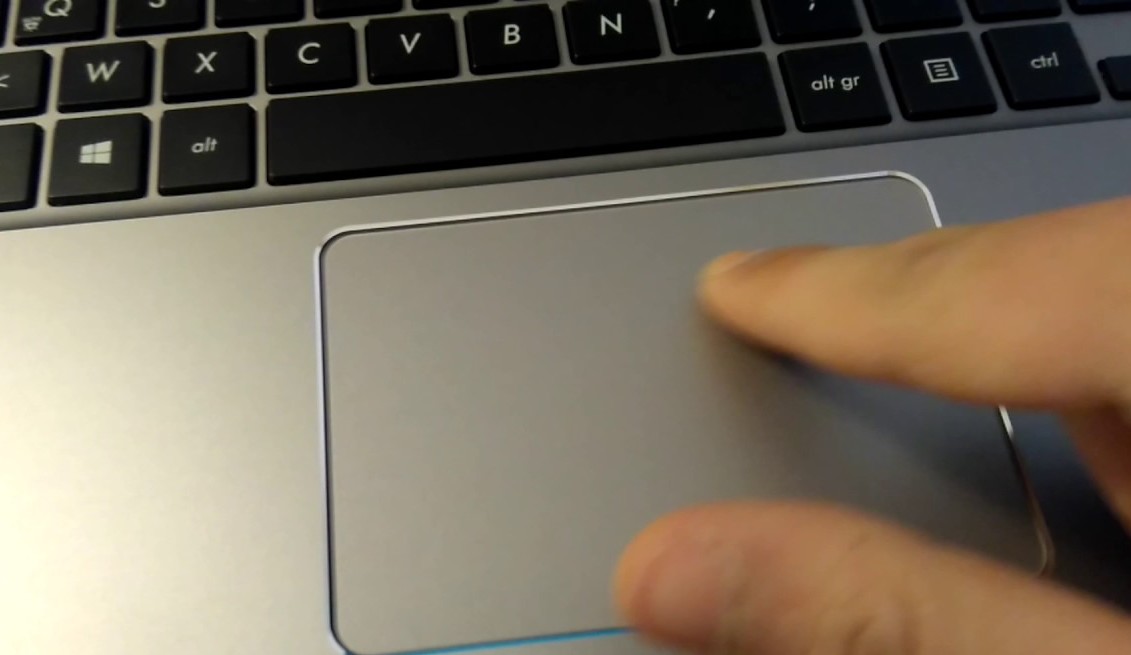
Let's start with the easiest fixes. These are like the appetizers before the main course of troubleshooting. First, try the magic tap! Sometimes, the touchpad gets accidentally disabled. Look for a specific key on your keyboard, often with a touchpad icon (usually F5, F7, F9, or F11). Press it alone or with the "Fn" key. It might just be the solution! Imagine you're casting a spell to re-summon your cursor. ✨
Next, let's consider the external mouse. If you have one lying around, plug it in! If the mouse works, then we know the problem is likely with the touchpad itself. This helps us narrow down the investigation. Think of it as bringing in a sniffer dog to track the scent of the problem.
Now, for something a little more... technical. Let's talk about driver updates. Outdated drivers are a common source of cursor woes. Here's how to tackle it:
- Press the Windows key + R to open the "Run" dialog box.
- Type "devmgmt.msc" and press Enter. This opens the Device Manager.
- Look for "Mice and other pointing devices" (or something similar) and expand it.
- Right-click on your touchpad device and select "Update driver."
- Choose "Search automatically for drivers." Windows will search for and install the latest driver.
Imagine you're giving your touchpad a digital spa day! Fresh drivers, happy touchpad.
If the automatic update doesn't work, you can try downloading the latest driver from the manufacturer's website (e.g., Dell, HP, Lenovo). This might sound daunting, but it's usually just a matter of finding your laptop model and navigating to the "Support" or "Drivers" section. It’s like going directly to the source for the best remedy.

Still no cursor? Let's delve into some advanced tactics. Sometimes, disabling and re-enabling the touchpad can do the trick. In the Device Manager (remember how to get there?), right-click on your touchpad and select "Disable device." Wait a few seconds, then right-click again and select "Enable device." It’s like giving it a quick reboot.
And finally, if all else fails, consider a system restart. It's the classic "turn it off and on again" solution, but it often works! This gives your computer a chance to clear out any temporary glitches that might be causing the issue. Think of it as a deep cleansing breath for your system.
Pro Tip: Keep a USB mouse handy! It can be a lifesaver when your touchpad decides to take a vacation. It's like having a backup plan ready at all times.
Remember, even if you're not a tech expert, you can tackle this problem. Take it one step at a time, and don't be afraid to experiment. And hey, if you're still stuck, there's no shame in seeking professional help. But armed with these tips and tricks, you'll be well on your way to conquering that pesky cursor issue!
So go forth and reclaim your cursor! You've got this!