Salut, les amis! Ever dreamt of automating your digital life, freeing yourself from the mundane, and generally feeling like a tech-savvy sorcerer? Well, grab a café au lait and settle in, because today, we're demystifying the art of creating scripts based on files – "Comment Faire Un Script En Fonction De Fichier," as we say with a certain je ne sais quoi.
Think of scripts as little digital assistants, patiently waiting to perform tasks you define. And basing those tasks on the content or existence of a file? C'est magnifique! It opens up a world of possibilities, from organizing your photo library to automatically generating reports. Let's dive in!
Le Pourquoi: Why Bother?
Before we get technical, let's address the burning question: why should you care? Imagine this: you have a folder overflowing with vacation photos. Instead of manually renaming each one with the date and location (a task that rivals Sisyphus's punishment), a script could do it in seconds, pulling the information from the file's metadata or even its name! Voilà! Time saved, sanity preserved.
But the applications go way beyond photo organization. Need to process a batch of CSV files and extract specific data points? Script it! Want to automatically convert all your PDFs to a different format based on their file size? Script it! The sky's the limit (or, more accurately, your coding skills).
Le Comment: How It Works
The core concept is simple: your script reads a file, analyzes its contents (or just checks if it exists), and then performs actions based on what it finds. Here's a simplified breakdown:
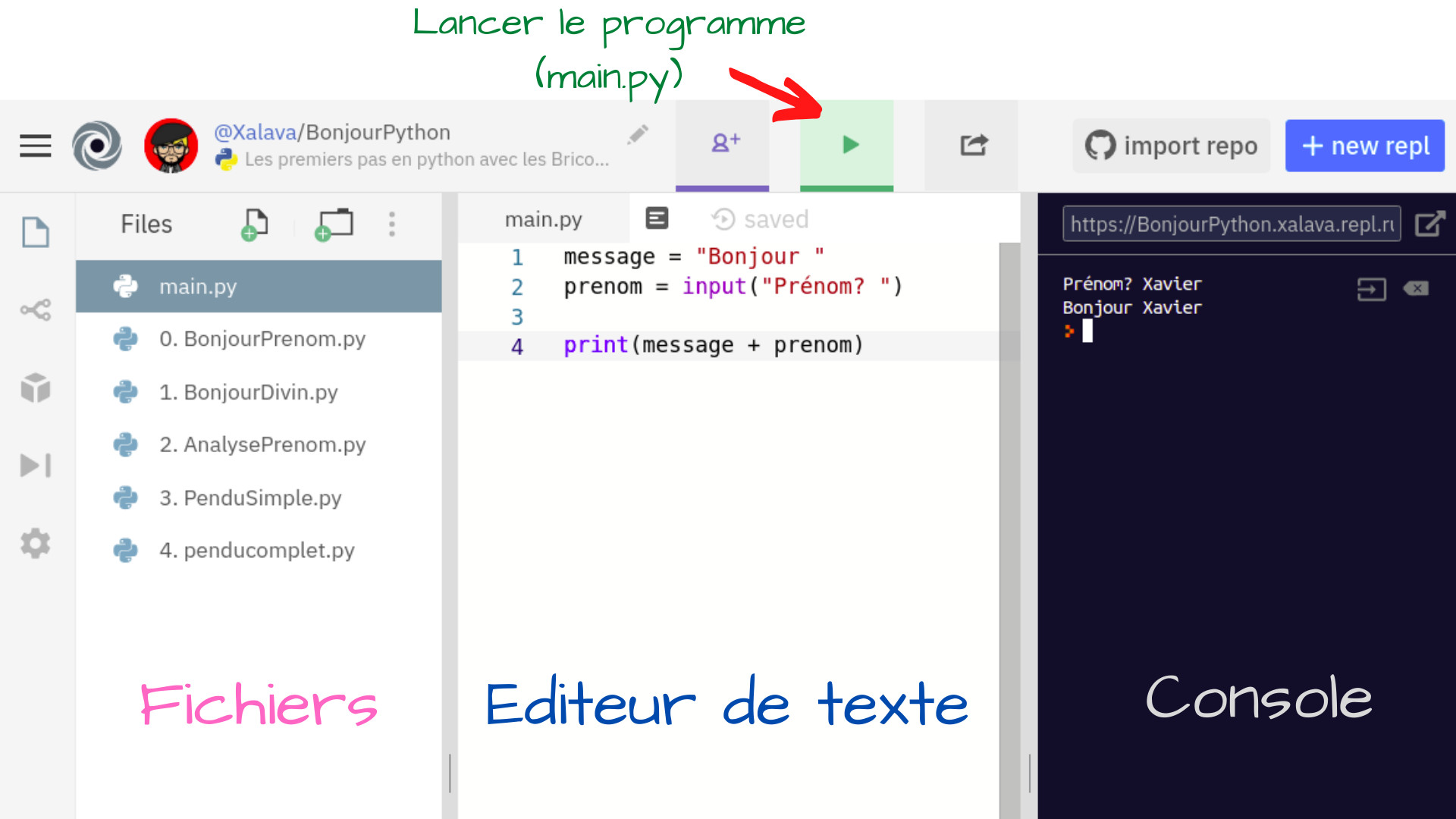
- Choose your language: Python, Bash, JavaScript – the options are plentiful. Python is often recommended for beginners due to its readability and extensive libraries. Think of Python as the Brigitte Bardot of programming languages – elegant and powerful.
- Read the file: Use code to open and read the file. Different languages have different ways to do this, but the principle is the same.
- Analyze the content: This is where the magic happens. Use conditional statements (if/else) to check for specific text, patterns, or metadata within the file. For example:
if file_size > 1MB: convert_to_low_resolution() - Perform actions: Based on the analysis, execute the desired actions. This could involve renaming files, moving them to different folders, modifying their contents, or even sending emails.
Tip pro: Don't be afraid to Google! The internet is your best friend when learning to code. Search for examples of "reading files in Python" or "checking file size in Bash." Stack Overflow is a particularly valuable resource – a digital Café de Flore where programmers gather to discuss and solve problems.
Un Exemple Simple: A Taste of the Code
Let's look at a super basic Python example that renames files in a directory if they contain the word "temp" in their name:

import os

for filename in os.listdir("."):
  if "temp" in filename:
    new_filename = filename.replace("temp", "final")
    os.rename(filename, new_filename)
    print(f"Renamed {filename} to {new_filename}")
Breaking it down: This script loops through all files in the current directory. If a filename contains "temp," it replaces it with "final" and renames the file. It's a tiny script, but it illustrates the core principles. C'est facile, non?
Petits Trucs et Astuces: Little Tips and Tricks
* Use comments: Explain your code! Future you (and anyone else reading your script) will thank you. Think of comments as little annotations in a Michelangelo sketch, guiding the eye and clarifying the intent. * Test, test, test: Before running your script on a large batch of important files, test it on a small, representative sample. Avoid digital catastrophes! * Learn regular expressions: These powerful patterns can help you find and manipulate text within files with incredible precision. Regular expressions are like the haute couture of text processing. * Leverage libraries: Python has a wealth of libraries for everything from image processing to data analysis. Don't reinvent the wheel!Le Reflet: A Moment of Reflection
Learning to script based on files is more than just acquiring a new technical skill. It's about gaining control over your digital environment, automating tedious tasks, and freeing up your time and mental energy for more creative pursuits. It's about embracing a mindset of efficiency and problem-solving. It's about feeling like you're living in the 21st century, instead of just navigating it.
So, go forth, experiment, and create! The world of file-based scripting awaits. And remember, even the most complex projects start with a single line of code. Bon courage!
![[Batch] Modifier un fichier bat à l'aide d'une commande - Scripts/Batch](https://www.developpez.net/forums/attachments/p323839d1509466639/general-developpement/programmation-systeme/windows/scripts-batch/modifier-fichier-bat-l-aide-d-commande/code-fichier-bat.png/)