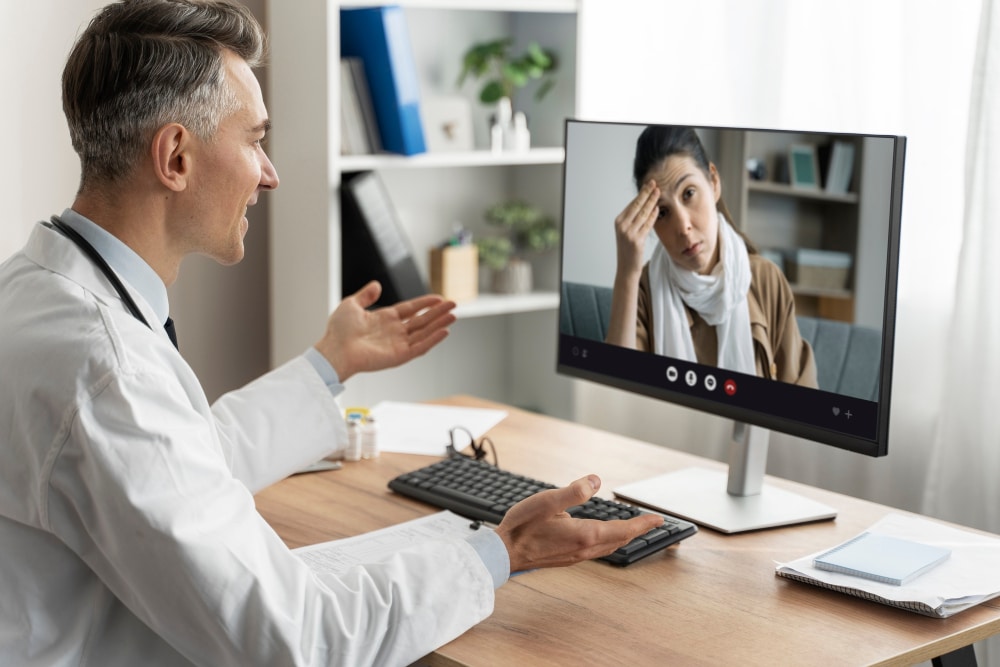
Okay, imagine this: you wake up with a throat that feels like you swallowed sandpaper. Classic. You know it's probably just a cold, but that little voice in your head starts whispering about exotic viruses and needing a full work-up. Ugh. The thought of dragging yourself to the doctor's office, sitting in a waiting room filled with other sniffling humans... not exactly appealing, right?
Well, good news! We live in the future (sort of)! And the future involves doctors... on your screen. I'm talking about téléconsultations, or video doctor appointments. Seriously, it's a game-changer. Let's break down how to actually make one happen.
Finding Your Virtual Doc: It's Easier Than You Think
First things first: you need a doctor (or a healthcare professional) willing to do the video thing. Some doctors are early adopters, embracing the tech, while others are... well, let's just say they still prefer their stethoscopes to Zoom. Don't worry, there are ways to find the cool kids!
Here are a few options:
- Ask your regular doctor. Seriously, just call and ask! You might be surprised. Many practices are now offering téléconsultations as an option.
- Check with your insurance provider. They often have a list of doctors and specialists who offer telemedicine services and are covered by your plan. (Side note: Knowing your insurance coverage is ALWAYS a good idea. Trust me.)
- Use online telemedicine platforms. There are tons of websites and apps that connect you with doctors for video consultations. Think Doctolib, Livi, Qare (in France), or Amwell and Teladoc (in other regions). Do a little research to find one that works for you.
Don't be afraid to shop around. Read reviews. Make sure the doctor is licensed and reputable. You wouldn't blindly trust a mechanic with your car, would you? Treat your health with the same care!

Booking Your Appointment: No Traffic Jams Involved
Once you've found a virtual doctor, booking the appointment is usually pretty straightforward. Most platforms have online scheduling systems. You select a date and time, fill out some basic information, and boom! You're in.
Be prepared to answer some questions about your medical history and current symptoms. This is important for the doctor to get a good understanding of what's going on. The more information you provide, the better they can help you. (Think of it like giving a detective all the clues!)

Tech Time: Making Sure Your Gadgets Cooperate
Okay, let's talk tech. You'll need a few basic things for a successful téléconsultation:
- A computer, tablet, or smartphone with a camera and microphone. Pretty obvious, right? But make sure they're working properly before your appointment.
- A stable internet connection. Nobody wants a choppy video call where you only catch every other word. Find a spot with good Wi-Fi.
- The platform's app or software (if required). Download it and test it out beforehand to avoid last-minute panicking.
Pro tip: Do a test run with a friend or family member before your appointment. Just a quick video call to make sure everything is working as it should. This can save you a lot of stress on the day of your consultation.

Showtime! Preparing for Your Video Chat with the Doc
It's almost time to see the virtual doctor! Here's how to prepare:
- Find a quiet and well-lit place. Minimize distractions. Turn off the TV. Tell your family (or roommates) to give you some space.
- Write down your symptoms and questions. It's easy to forget things when you're nervous. Having a list will help you stay on track.
- Gather any relevant information. This might include a list of your medications, allergies, or previous medical conditions.
- Dress appropriately. Okay, you don't need to wear a suit, but at least put on a clean shirt. Remember, you're still talking to a doctor.
During the consultation, be honest and open with your doctor. They can only help you if they have all the information they need. Don't be afraid to ask questions or clarify anything you don't understand.

After the Video Call: What Happens Next?
Once the consultation is over, the doctor may provide you with a diagnosis, treatment plan, or prescription. They may also recommend further testing or a follow-up appointment.
Make sure you understand everything before you hang up. Ask any remaining questions you have. And don't hesitate to contact the doctor's office if you have any concerns after the consultation.
So there you have it! A comprehensive guide to having a video consultation with a doctor. It's convenient, efficient, and often more affordable than traditional in-person appointments. Embrace the future of healthcare! (And hopefully, you won't have to use it too often.) 😉