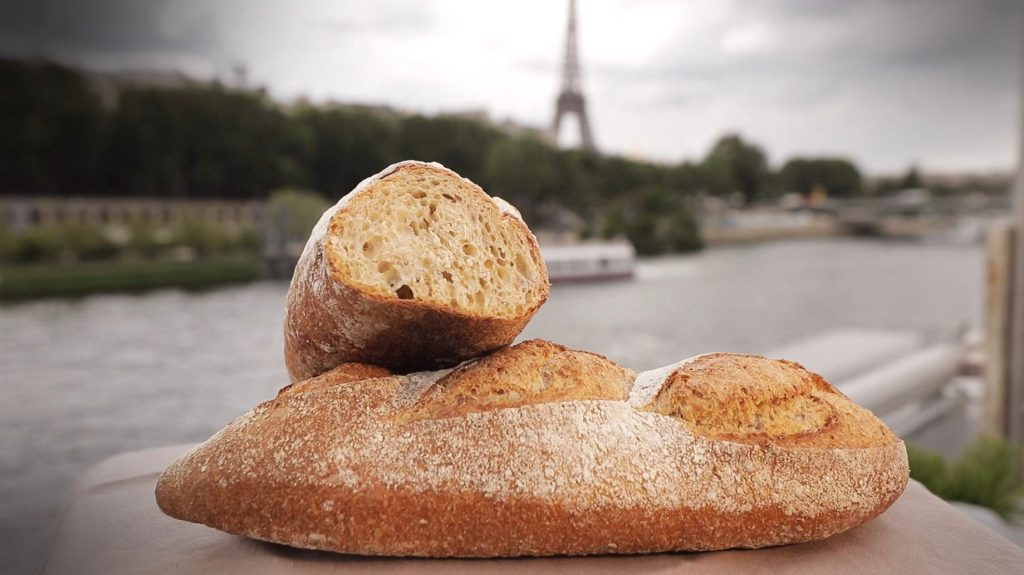
Okay, so picture this: I'm hiking in the Vanoise National Park, right? Absolutely stunning scenery, air so fresh you could bottle it, and I’m starving. I stumble into this tiny village, Modane, completely off the beaten track. And what do I find? A boulangerie with a queue snaking out the door. Naturally, I join it. Turns out everyone's waiting for the Pain de Modane. And honestly? Life hasn't been the same since. I needed to know its secret, what made this bread so special. So, I did what any bread-obsessed person would do: I dug in. I mean, researched. Heavily.
The Pain de Modane isn't just bread, folks. It's a legend. And like any good legend, everyone has their own version of the story... and the recipe. (Which, let's be real, is half the fun, isn't it?) But I'm going to give you the inside scoop.
What Makes Pain de Modane, Pain de Modane?
First, let's talk ingredients. Forget fancy sourdough starters and ancient grains from the Himalayas. We're talking simple, rustic ingredients here, but quality is key. Think: flour, water, salt, and yeast. Nothing more, nothing less. But, hold on! It's not just any flour. It's a specific type of wheat flour, often a blend of different local varieties. Trying to find the perfect mix is your first challenge, so good luck! You might need to experiment a little.
The water's important too. Mountain water is preferred. Seriously. Is this a deal breaker? Probably not. But if you happen to have a pristine mountain spring nearby, well, you know what to do. (Don't just grab any puddle, okay?)
Salt? Good quality sea salt, naturally. Because, you know, everything matters. Even the salt. And the yeast? Fresh yeast is the way to go. The stuff in the little packets just doesn't cut it here.
The Process: More Than Just Mixing and Baking
Okay, so you’ve got your ingredients. Now for the real secret: the process. And this is where things get a little mystical.
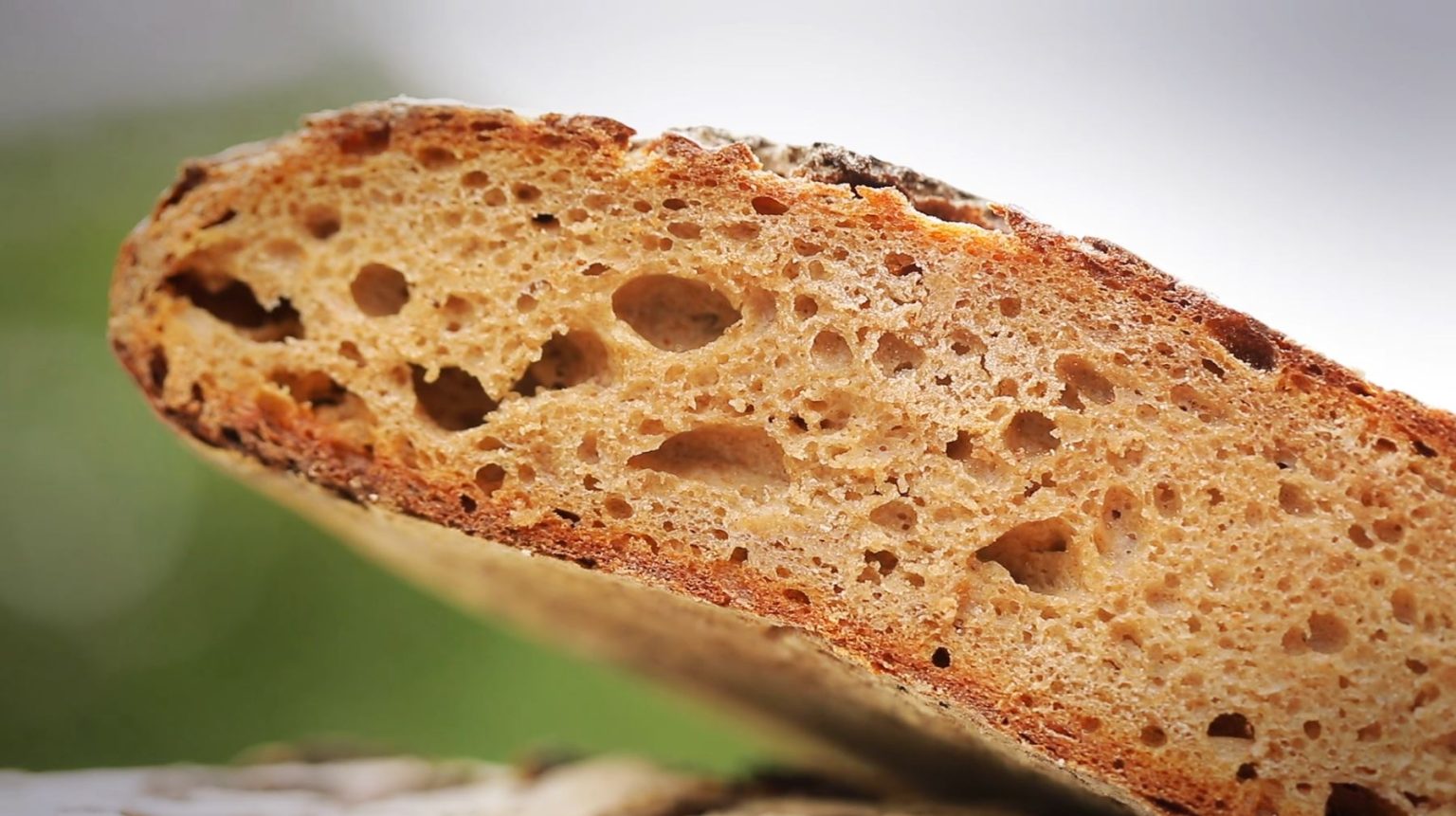
The dough is kneaded for a long time. We're talking elbow grease here, people. No wimpy stand mixers allowed (though, okay, maybe a stand mixer is allowed, but don't tell anyone I said that). The extended kneading develops the gluten, creating that beautiful, chewy texture that’s characteristic of Pain de Modane. Seriously, think about getting a new gym membership, just to prepare for making the bread.
Then comes the slow fermentation. This is crucial. The dough needs to rest, preferably in a cool place (like a cellar, if you're lucky enough to have one). This long, slow fermentation develops the complex flavors that make Pain de Modane so unique. Don’t rush it! Patience is a virtue, especially when it comes to bread.
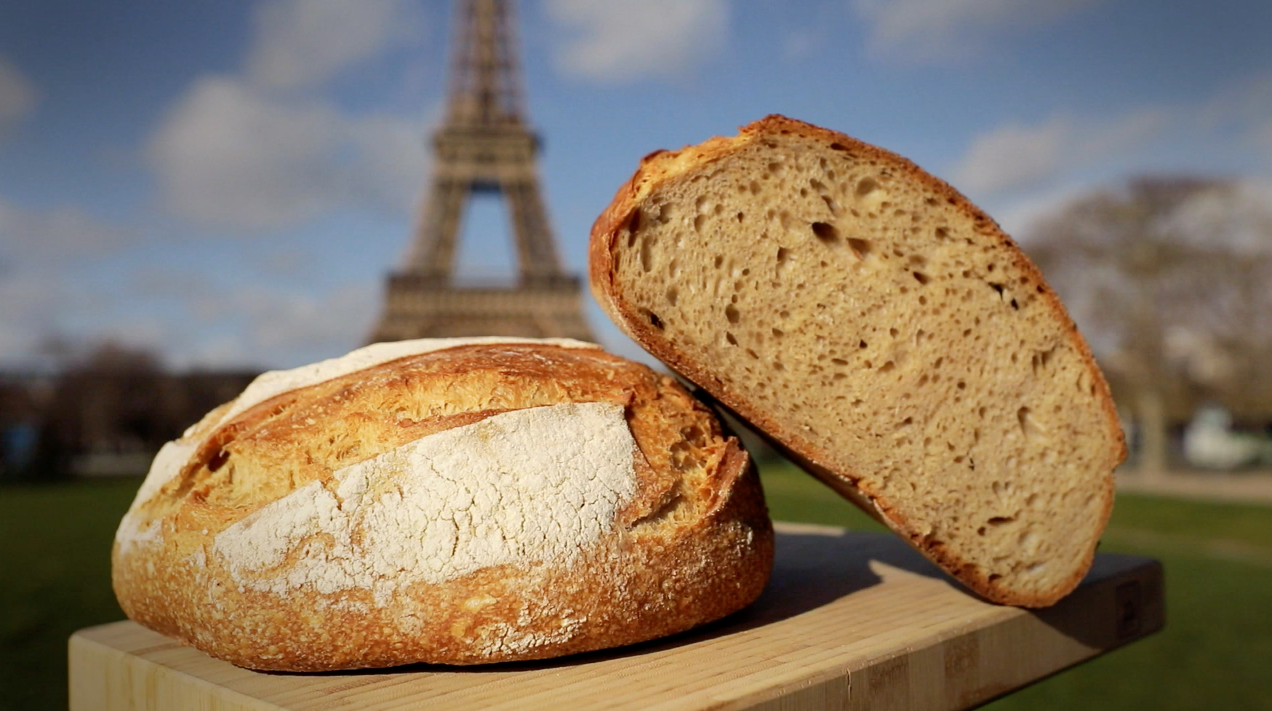
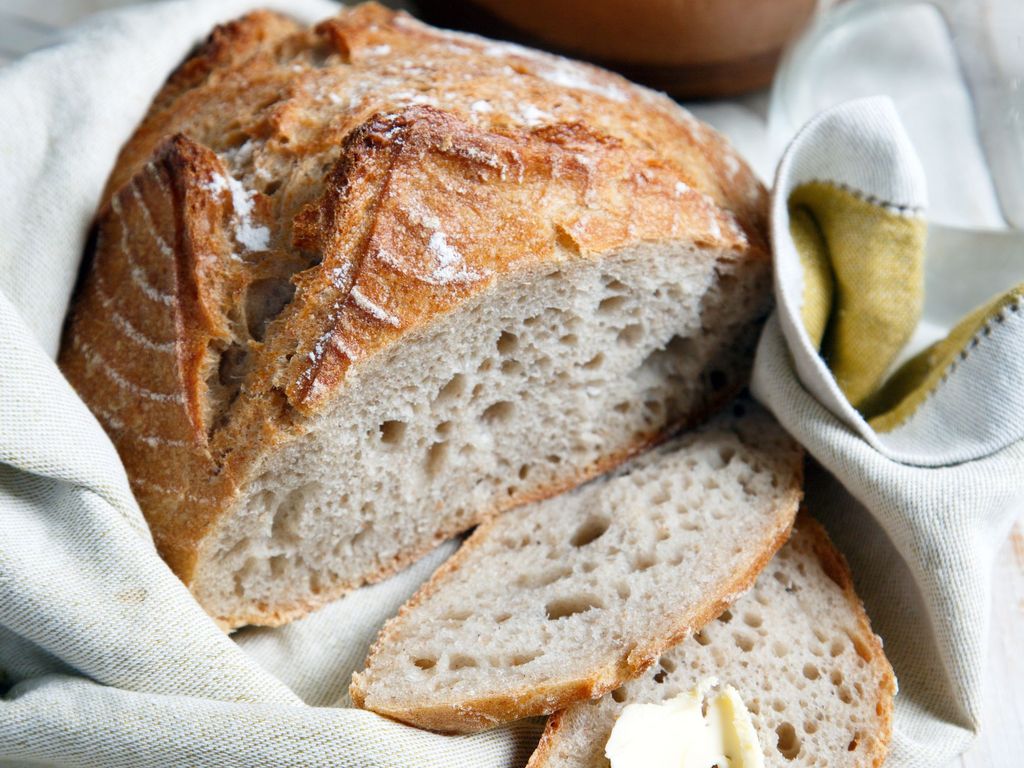
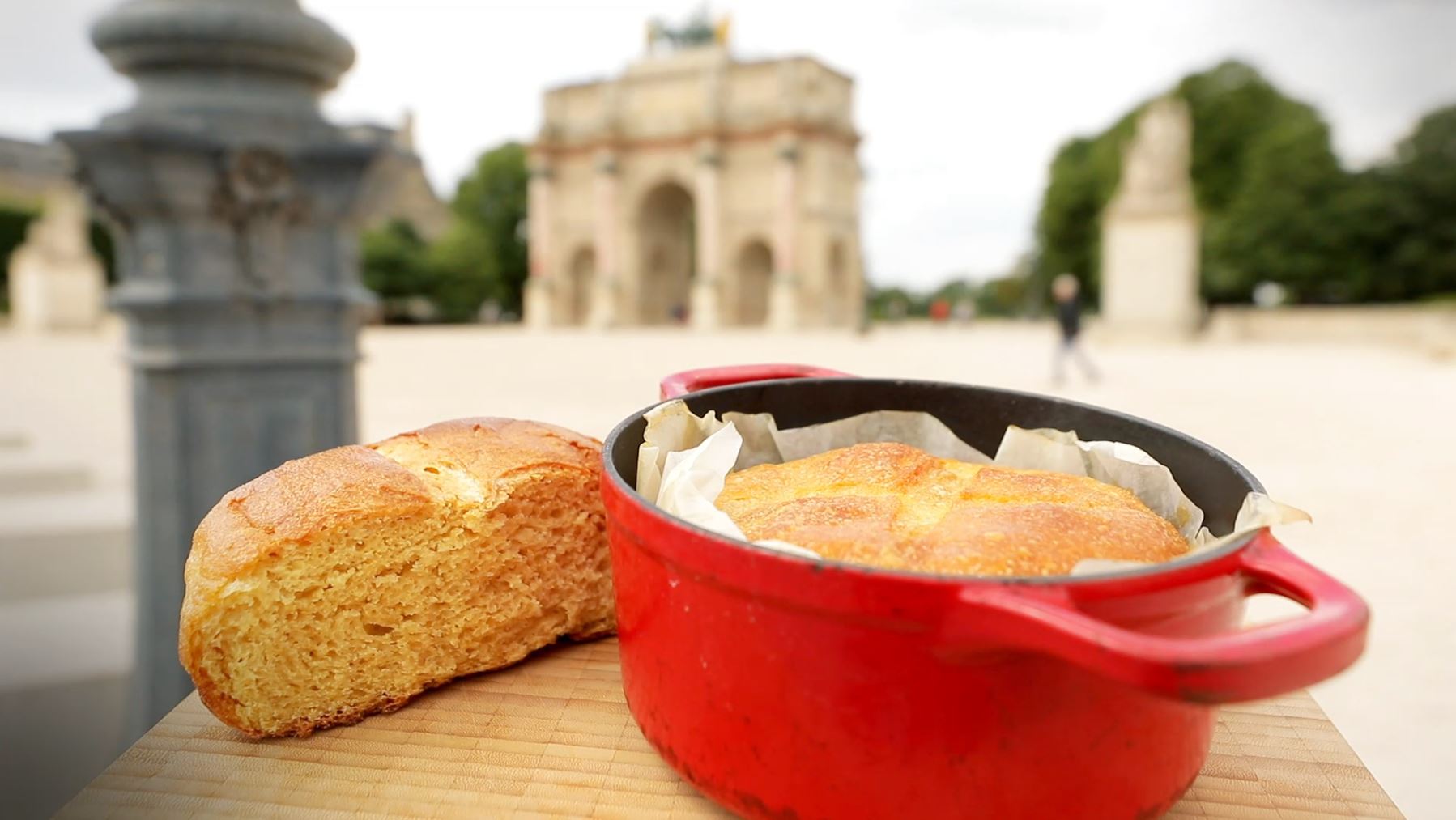
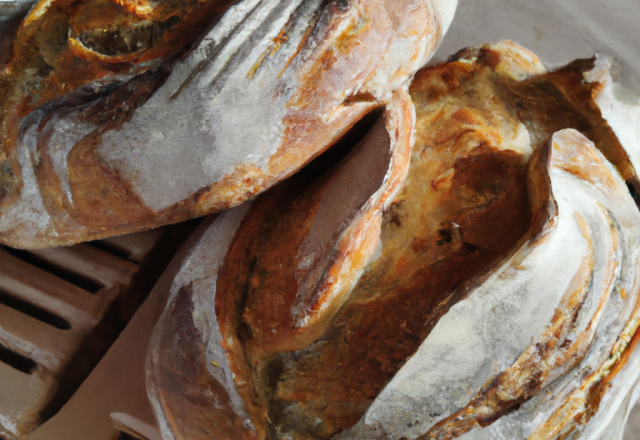
Shaping the loaf is also an art. It's usually a large, round loaf, often scored with a simple cross. The scoring not only looks pretty, but it also helps the bread expand evenly during baking.

The Bake: Hot and Fast!
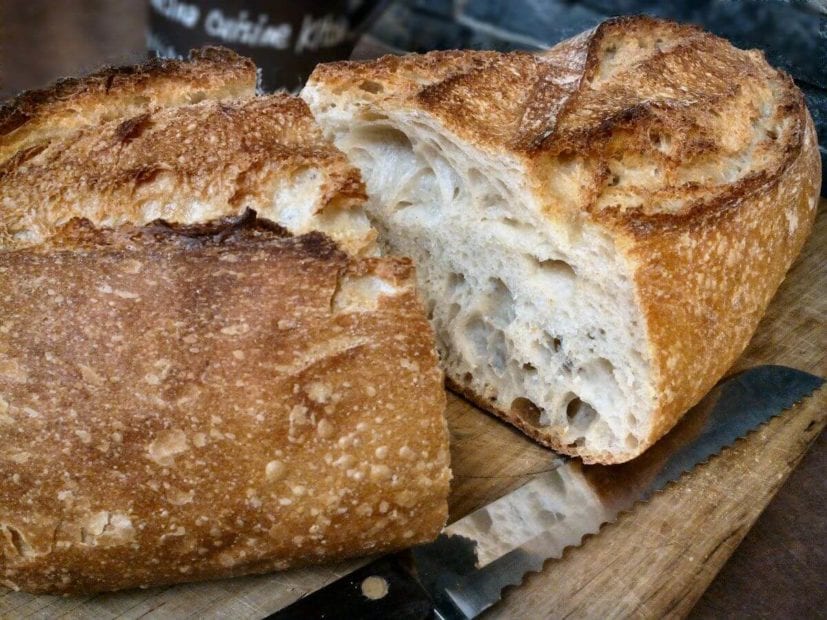
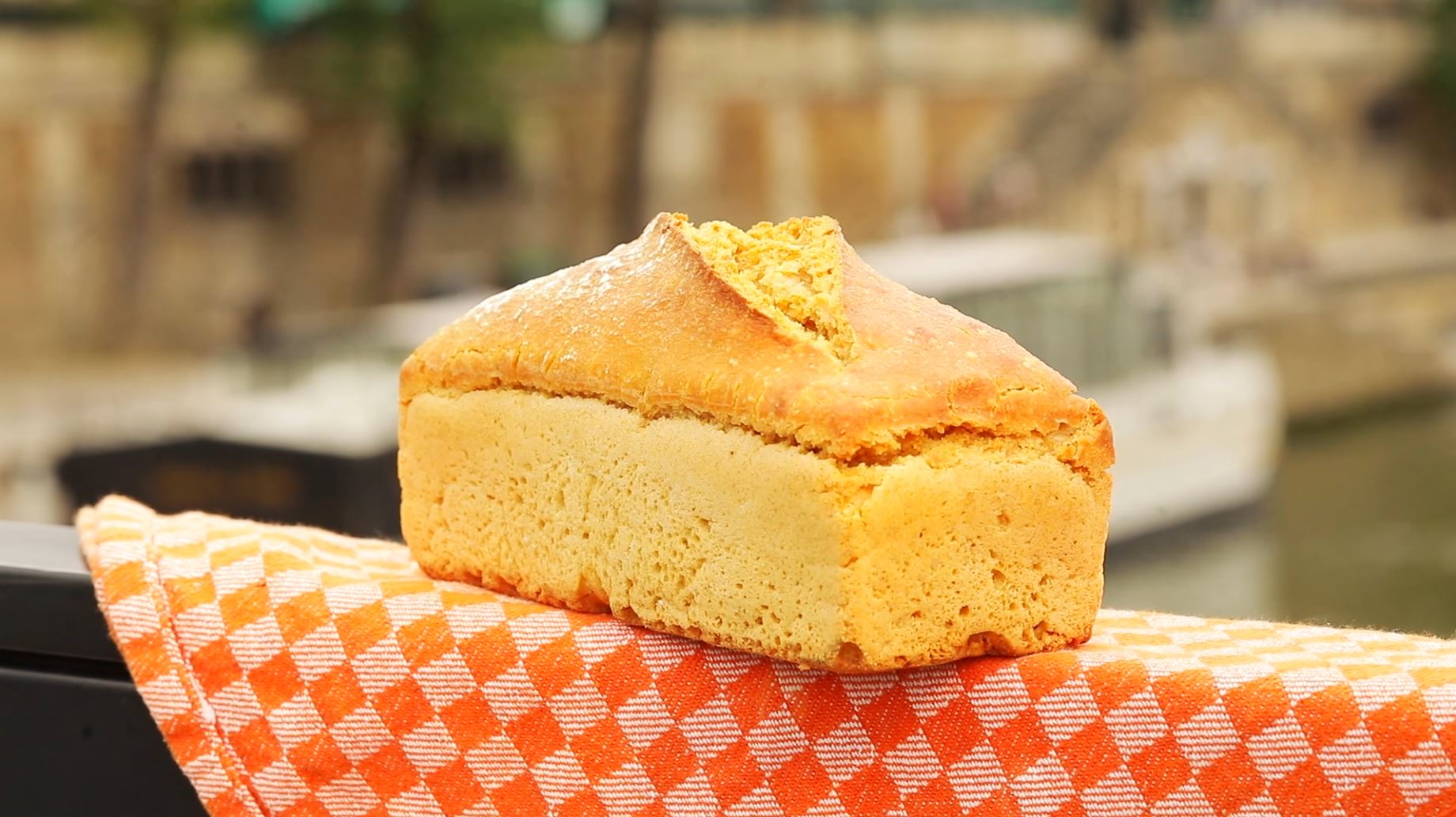
Finally, the baking. And here's where things get really exciting. Pain de Modane is traditionally baked in a wood-fired oven. (Yes, I know, not everyone has one. Don't despair! A regular oven will do, but try to get it as hot as possible). The high heat creates a crisp, golden crust and a soft, chewy interior. Baking it until it's deeply browned is crucial, that's where all the flavour comes from. Make sure you let it cool properly before slicing into it. (I know, it's torture.)
The Verdict?
So, is Pain de Modane just bread? Absolutely not. It's a piece of history, a taste of the mountains, and a testament to the power of simple ingredients and traditional techniques. It’s more than bread; it's an experience. Give it a try. You might just find yourself planning a trip to Modane. Or at least obsessing over perfecting your own version of this legendary loaf. And honestly, isn't that half the fun?