Okay, so, picture this: I’m at a picnic, right? Sun’s shining, birds are chirping (annoyingly loud, mind you), and this incredibly puffed-up pigeon is strutting around like it owns the place. It spots a stray crumb of baguette, pecks at it all dramatic-like, and then lets out this truly awful coo. It reminded me, instantly, of that fable… you know, the one about the crow and the cheese. The one where flattery gets you literally anything.
Which brings us to the question that’s probably rattling around in your brain (and maybe even keeping you up at night – don’t lie!): what’s the deal with "Le Renard et le Corbeau" in English? Why should you even care? Well, grab a cup of tea, because we're diving in!
"Le Renard et le Corbeau". In French. Sounds sophisticated, right? It simply translates to "The Fox and the Crow". Yup, that’s it. No earth-shattering secrets there. But the story itself, that's where the gold is.
The Nitty-Gritty of the Fable
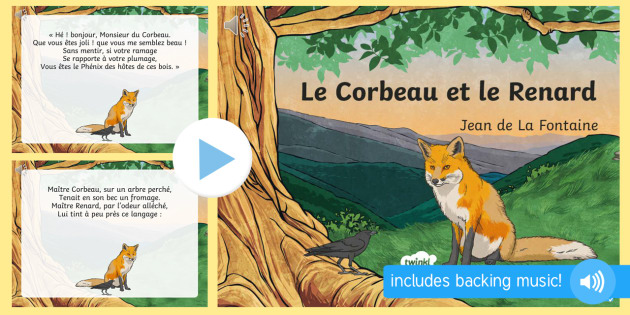
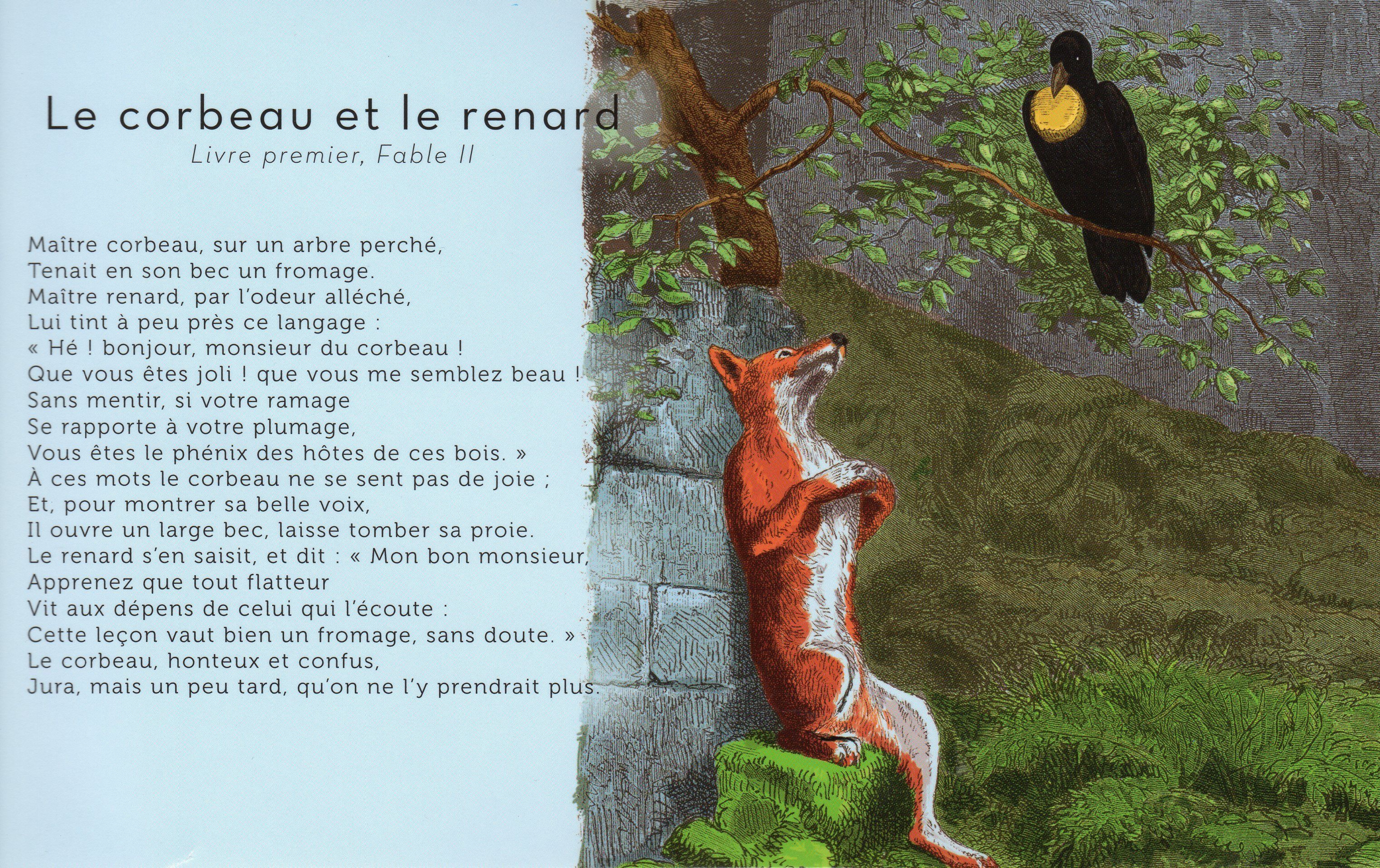
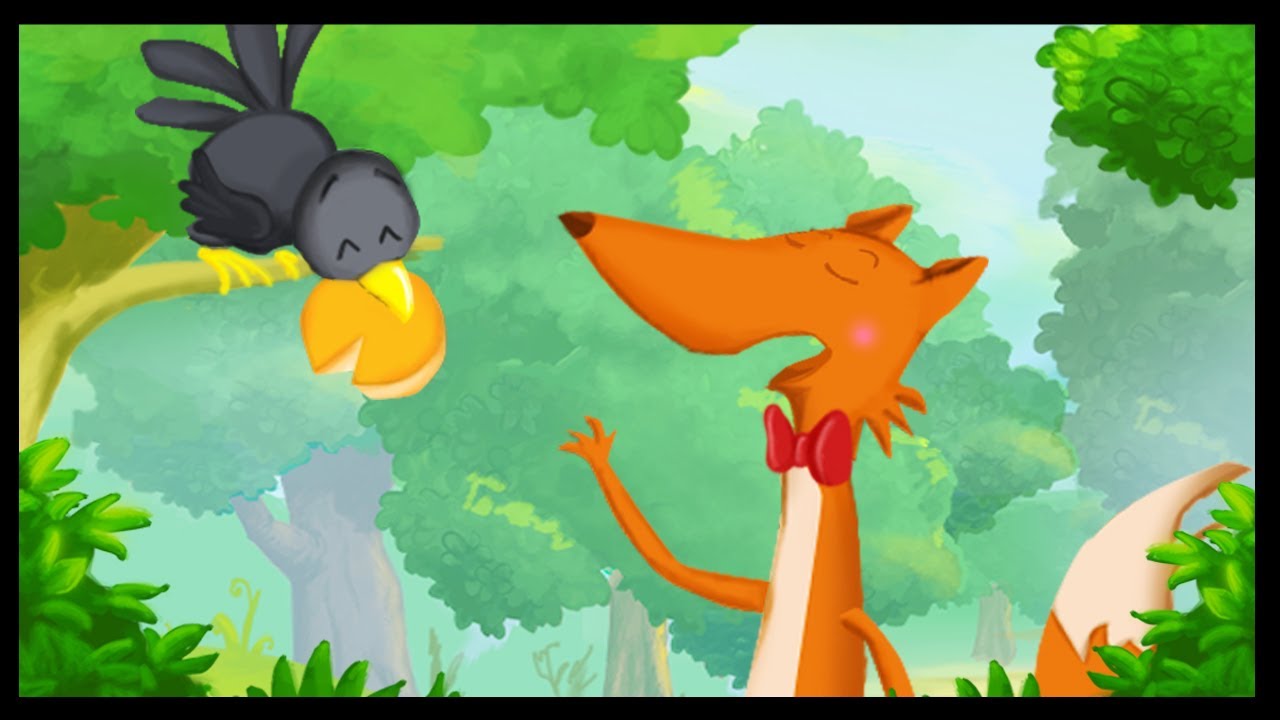
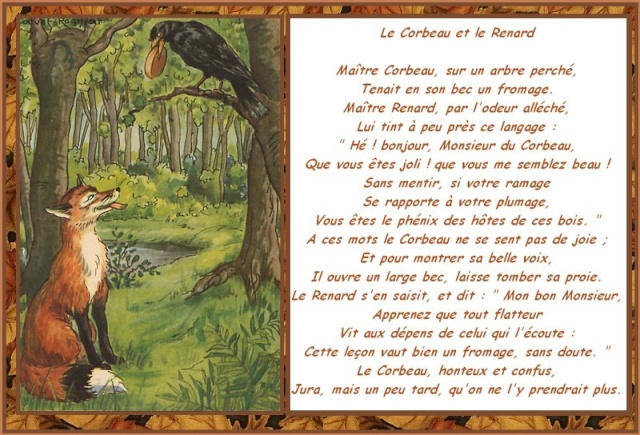
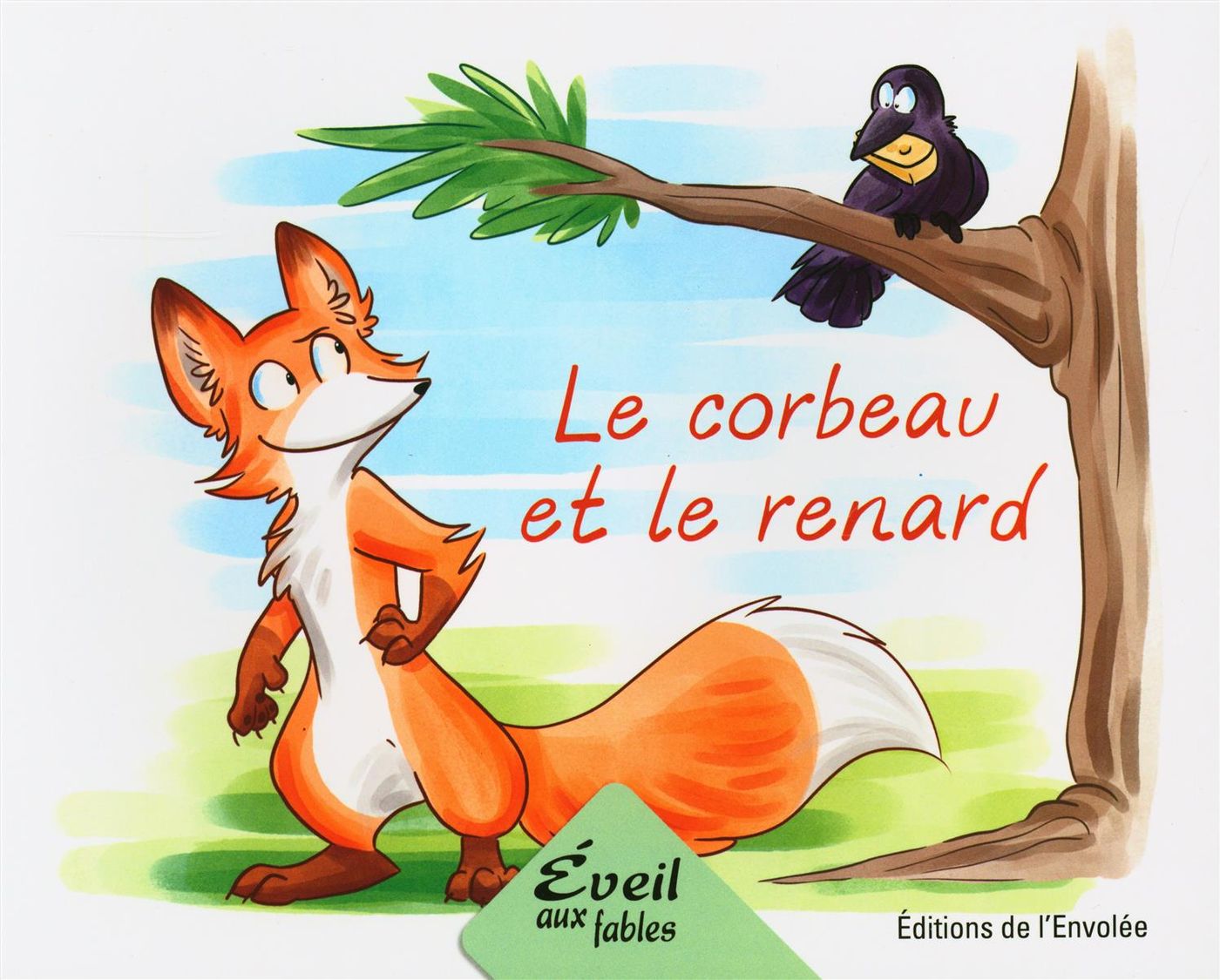
The basic gist is this: A crow, minding its own business (probably looking for more baguette crumbs!), finds a delicious piece of cheese. Lucky crow! Naturally, it perches on a high branch to enjoy its prize, feeling all smug and satisfied. Enter our cunning friend, the fox.
Now, the fox is hungry. Really hungry. And it sees that cheese. And it wants it. Badly. But how to get it? The fox isn't exactly known for its honesty or brute strength. It’s known for its… well, let's just say creative problem-solving.

So, what does the fox do? Does it climb the tree? Nope. Does it try to reason with the crow? Absolutely not. It resorts to the age-old tactic of pure, unadulterated flattery.
“Oh, crow,” the fox says (or something equally sickeningly sweet). “You are the most magnificent bird I have ever seen! Your feathers are like polished ebony, and your eyes sparkle like jewels! I have heard tales of your beautiful voice, but I can scarcely believe it can be as wondrous as they say. Please, oh please, sing for me!”
(Side note: Can you imagine the fox laying it on THICK? It’s almost painful.)

The crow, totally falling for the fox's sweet talk (apparently, crows aren’t known for their critical thinking skills), puffs out its chest, opens its beak wide, and lets out a resounding… CRAWWW! (Or whatever noise crows make in your imagination – bonus points if it’s truly awful). The cheese, of course, falls right out of its mouth and lands at the fox's feet.
The fox, naturally, snatches up the cheese, gives a smug little wink (probably), and scurries off, leaving the crow looking like a complete and utter fool.
Why This Fable Still Matters
So, why are we even talking about this ancient story? Because it's still relevant! Think about it: how many times have you seen someone get taken advantage of because they were too easily swayed by flattery? Or, maybe (gulp), how many times have you been the crow?

The moral of "The Fox and the Crow" is crystal clear: Beware of flattery! Don’t let your vanity cloud your judgment. Think critically. And maybe, just maybe, hold onto your cheese a little tighter.
The power of flattery is undeniable, and it's been used for centuries to manipulate people. Understanding this fable can help you recognize these tactics when they're used against you (or, you know, maybe even help you deploy them yourself… but I'm not advocating for that!).
Plus, it’s a great example of a simple story with a powerful message. Aesop (who is often credited with the fable) was a master of boiling down complex human behaviors into easily digestible narratives. And that's why these stories have endured for so long.
So, the next time someone starts showering you with compliments, take a deep breath, remember the crow, and ask yourself: What do they really want? And more importantly: Is my cheese worth it?
(Another side note: Seriously, hold onto your cheese!)
And that, my friends, is the story of "Le Renard et le Corbeau" (in English!). A tale of flattery, foolishness, and, of course, cheese. Now, if you'll excuse me, I'm going to go make a grilled cheese sandwich. Just to be safe. You know, practice holding onto my cheese.