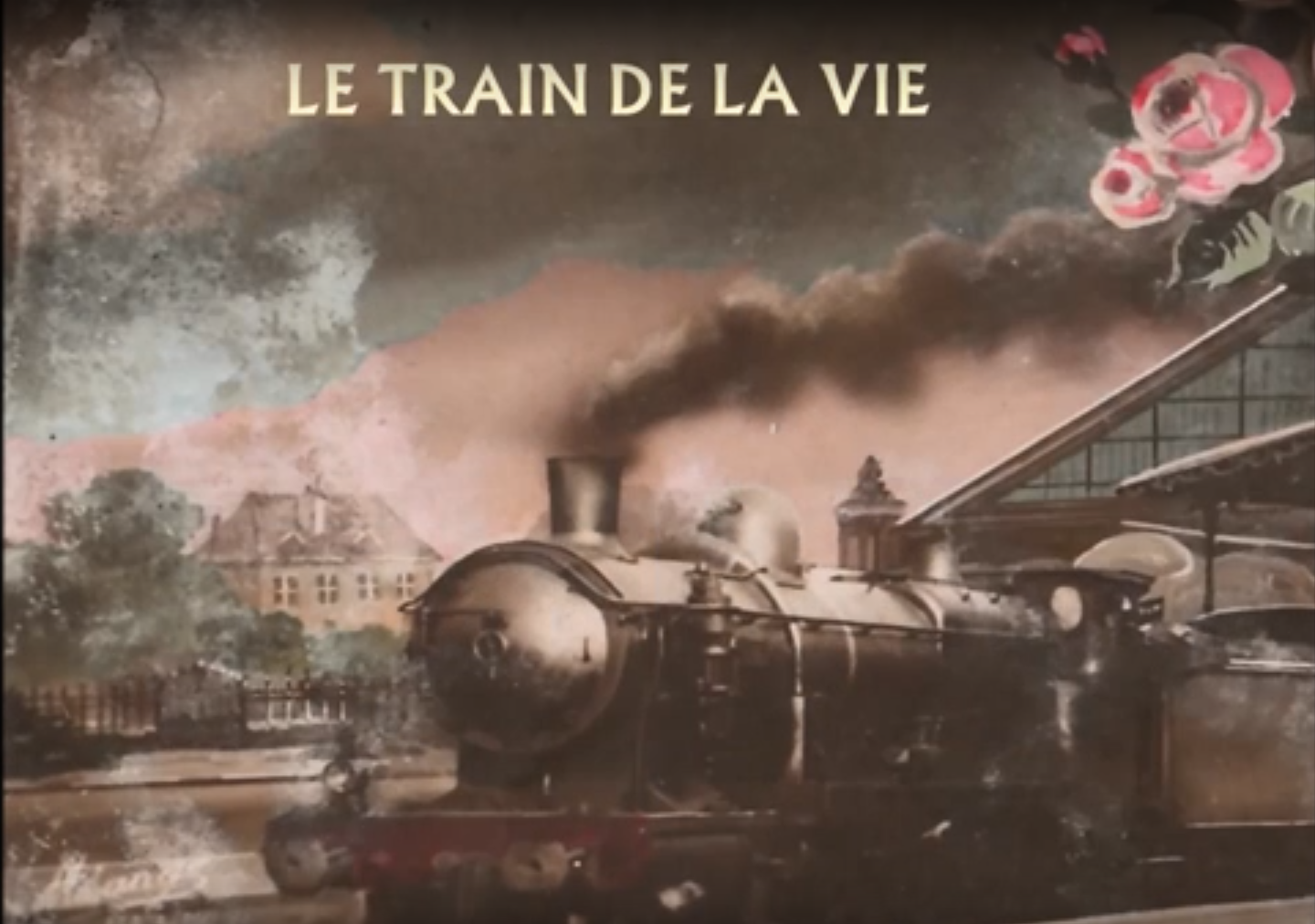
Ah, Jean d'Ormesson! Just saying his name feels like settling into a comfy armchair with a cup of tea. Ever read "Le Train de ma Vie"? It's more than a book; it's a warm, inviting conversation with a brilliant mind. Imagine sitting opposite him at a small Parisian café, the sun dappling through the leaves, as he recounts the journey of his life.
What's it all about? Well, on the surface, it’s a memoir. But it's so much more. D'Ormesson wasn't just listing dates and achievements. No, no. He was weaving a tapestry of thoughts, reflections, and anecdotes, all connected by the metaphorical train of his existence. Isn't that a lovely image? A train chugging along, each stop a significant moment, each passenger a person who shaped him?
He delves into his aristocratic background, never boastful, always charmingly self-aware. He talks about his childhood, his education, his entry into the world of literature. He doesn't shy away from the complexities of life either. He explores themes of love, loss, and the relentless passage of time. Doesn’t everyone ponder these things, especially as they reflect on their own journey?
And the writing! Oh, the writing! D'Ormesson possessed a rare gift for making profound ideas accessible. He could discuss philosophy and history with the same effortless grace he might use to describe a beautiful sunset. His prose is elegant, witty, and peppered with insightful observations. You find yourself nodding along, thinking, "Yes! That's exactly it!"
It's not just about grand pronouncements, though. The charm lies in the details. A fleeting memory of a childhood friend, a humorous anecdote about a publishing mishap, a poignant reflection on the nature of happiness. These are the small moments that make "Le Train de ma Vie" so relatable. Doesn’t life consist of these small moments more than grand events?

He doesn’t shy away from acknowledging his privileges. He was born into a world of comfort and opportunity. However, he also acknowledges the responsibility that comes with such privilege. He uses his platform to share his wisdom, to encourage reflection, and to remind us of the importance of beauty and truth. Isn't that what we should all strive for, regardless of our circumstances?
The real heart of the book, I think, is its unwavering optimism. D'Ormesson, despite facing the same challenges and disappointments as everyone else, maintained a profound sense of wonder and joy. He embraced life with open arms, relishing its beauty and complexity. Even when discussing somber topics, there’s always a glimmer of hope, a sense that even in the darkest moments, there is still light to be found.

He invites us to consider our own "trains." Where have we been? Where are we going? Who are the passengers along for the ride? What lessons have we learned along the way? It's a gentle nudge to reflect on our own lives and to appreciate the journey, warts and all.
Why read it?
Because it's good for the soul. It's a reminder that life, with all its ups and downs, is a gift. It's a celebration of beauty, intellect, and the human spirit. And it's a chance to spend some time in the company of a truly remarkable man. You come away feeling a little wiser, a little more hopeful, and a little more grateful for the ride. Doesn't that sound lovely?
So, if you're looking for a book that will make you think, feel, and maybe even smile, pick up "Le Train de ma Vie." Settle into your favorite chair, pour yourself a cup of tea, and prepare to embark on a literary journey that will stay with you long after you've reached the final page. It's a journey worth taking. You'll find yourself feeling a little lighter, a little more connected, and a little more ready to embrace your own unique "train de vie." And isn't that a wonderful thing?