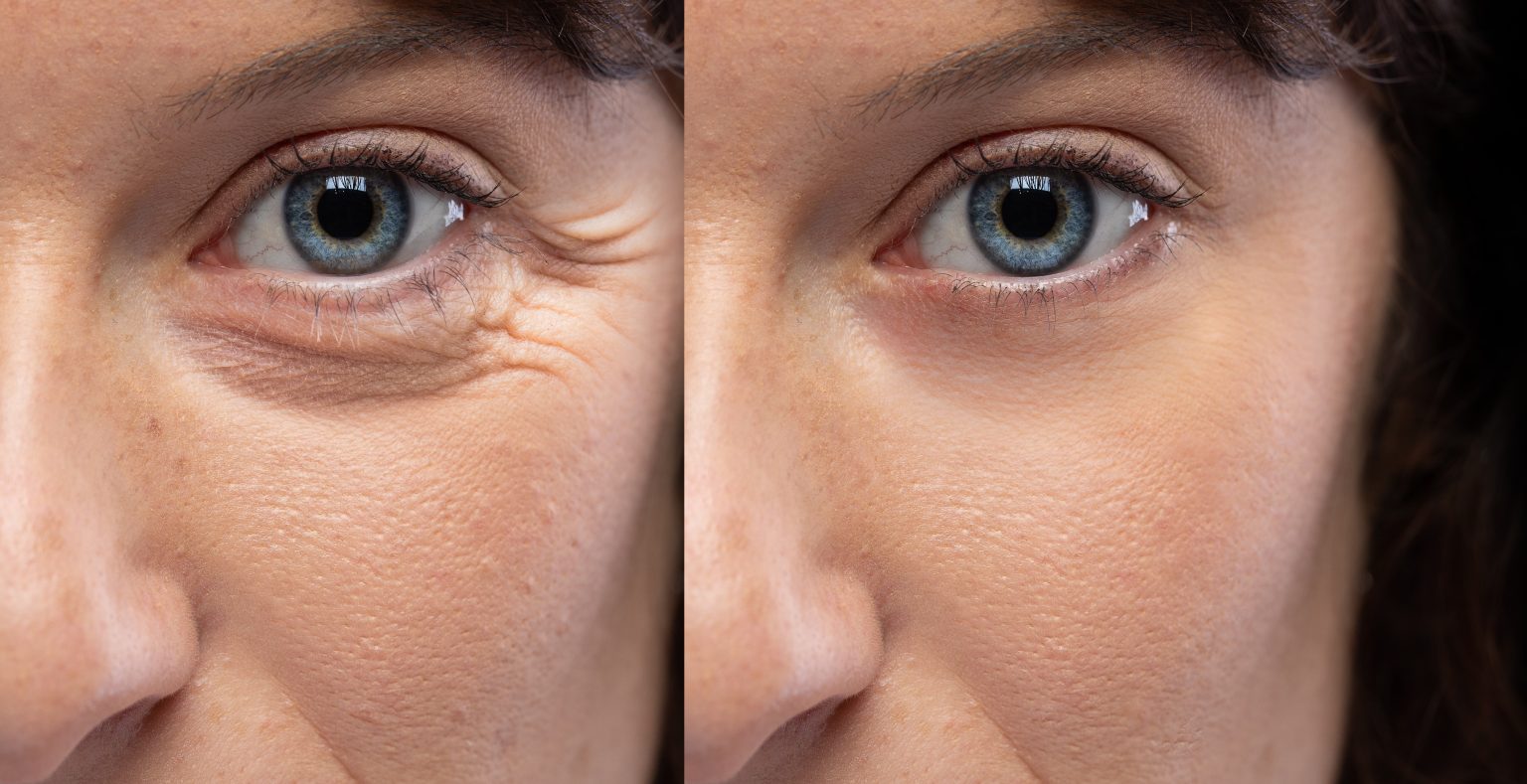
Okay, picture this: me, last Tuesday, staring at my reflection. Not in a cute, contemplating-life kind of way. More like a "Oh. My. God. When did my face decide to stage a coup and declare itself the ruler of puffiness?" You know the feeling, right? Don't lie, we've all been there. The bags under my eyes were practically packed for a week-long vacation. And my jawline? Let's just say it was playing hide-and-seek… and losing. So, naturally, I did what any self-respecting, slightly-panicked person would do: I Googled "instant face lift miracle cure."
And that, my friends, is how I stumbled down the rabbit hole of Gua Sha. Specifically, Massage Visage Gua Sha Avant Après. Sounds fancy, non? But trust me, it's way less intimidating than it looks. Especially when you break it down.
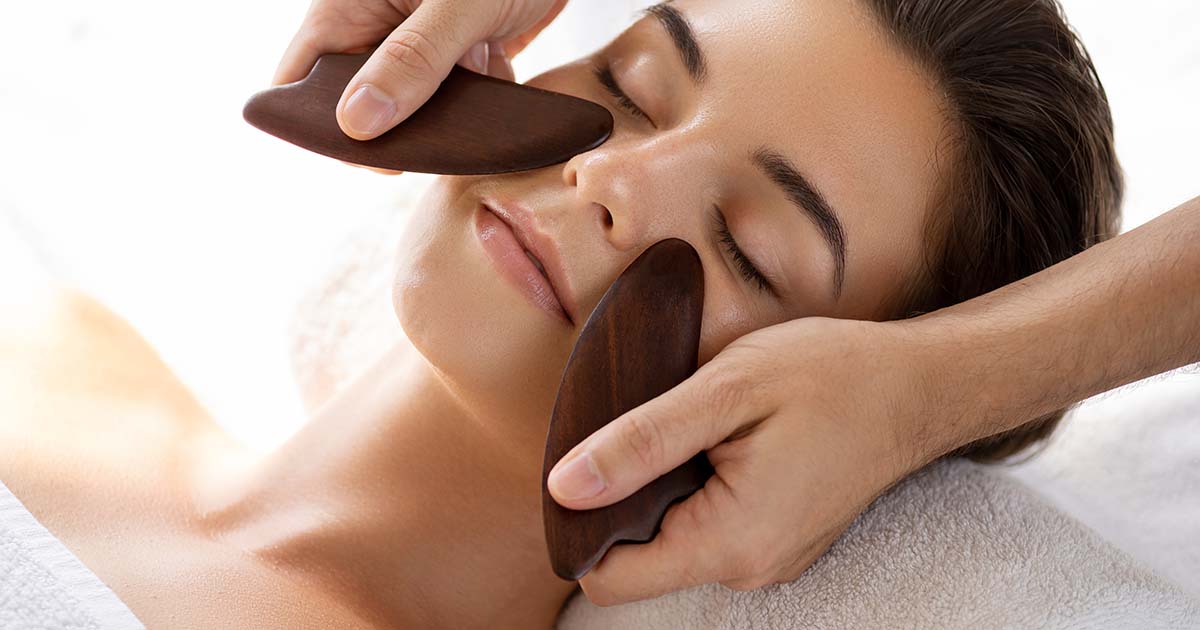
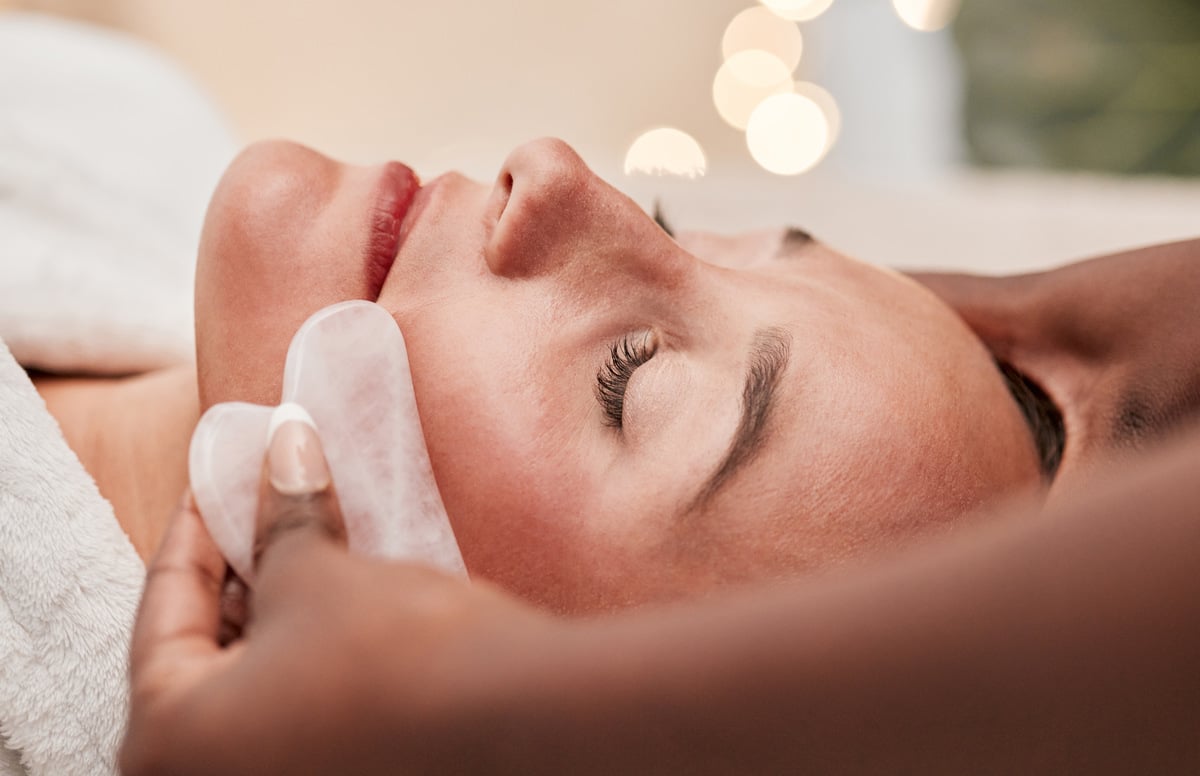
First things first: what is Gua Sha? The short version: it’s an ancient Chinese healing technique where you use a smooth-edged tool (usually made of jade or rose quartz) to scrape your skin. Think of it like a deep tissue massage for your face. And no, it doesn't hurt (unless you're pressing way too hard – be gentle with yourself!).
So, why all the hype?
Well, the promised benefits are pretty enticing: reduced puffiness, improved circulation, a more defined jawline, fewer fine lines, and a general glow-up. Basically, it’s supposed to turn you into a radiant, youthful goddess. Okay, maybe not exactly that, but you get the idea. We're aiming for "well-rested," not "Benjamin Button."
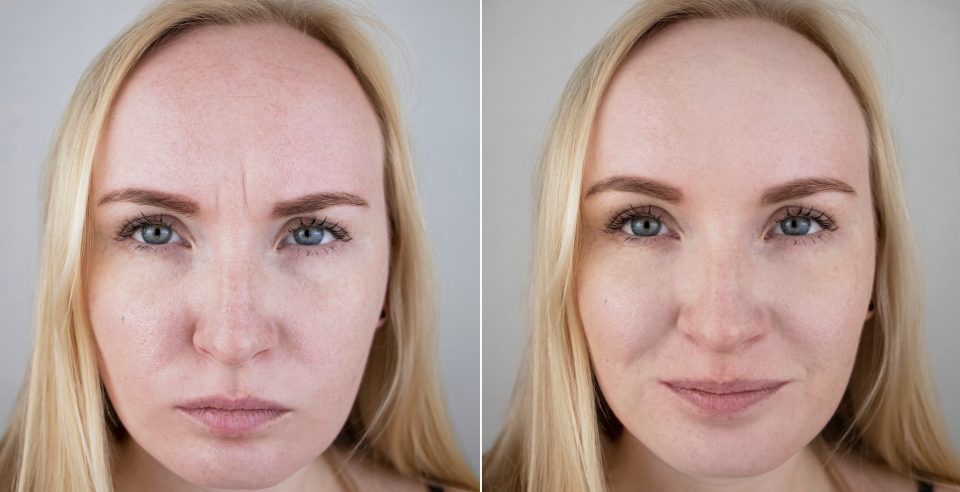
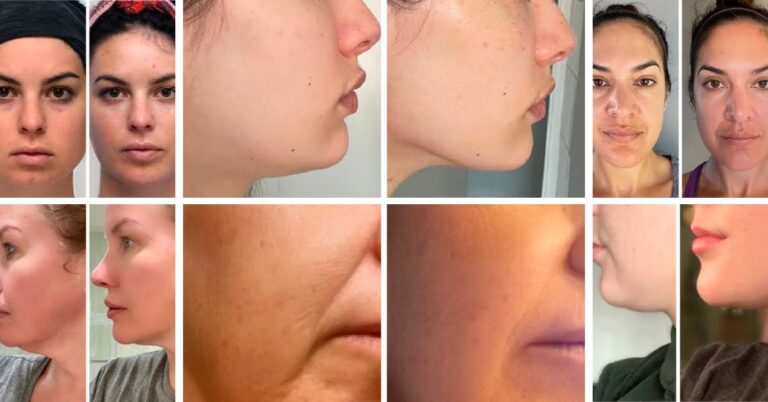
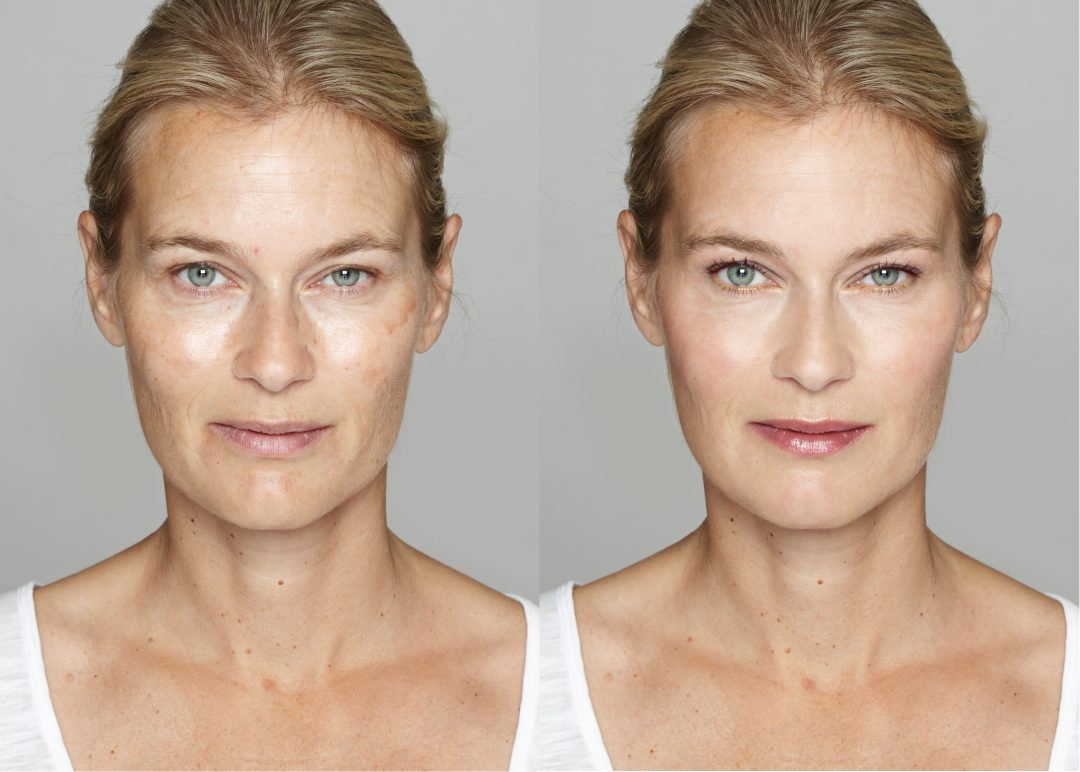
Now, let’s talk about the "Avant Après" – the before and after. This is where things get interesting. Because let’s be real, we’ve all seen those pictures online where the "after" looks suspiciously like it's been touched up with enough filters to make a Kardashian jealous. So, I went into this experiment with a healthy dose of skepticism.

Here's my personal experience: the first time I tried Gua Sha, I followed a YouTube tutorial (there are tons of them, just search "Gua Sha facial massage"). I liberally applied facial oil (super important – you don't want to drag your skin!), and gently scraped the tool along my face, following the contours of my jawline, cheekbones, and forehead. The pressure should be light, almost like you're stroking your skin. The goal is to stimulate blood flow and lymphatic drainage.
Immediately after, my face felt… alive. Like it had just woken up from a really good nap. The puffiness around my eyes was noticeably reduced, and my jawline did look a little more defined. Was it a dramatic transformation? No. But it was enough to make me think, "Okay, there's something to this."
Consistency is Key (as always!)
The real magic, though, happens with consistency. I've been doing Gua Sha regularly (most evenings before bed) for a few weeks now, and I've definitely noticed a difference. My skin looks brighter, less puffy, and my jawline is starting to resemble a jawline again. Hallelujah!
Of course, Gua Sha isn't a miracle cure. It's not going to erase wrinkles overnight, and it's not going to give you the bone structure of a supermodel. But it can help to improve your skin's overall appearance and give you a more youthful, radiant glow. And honestly, who wouldn't want that?

One thing I've learned: don't expect instant gratification. It takes time and dedication to see real results. Think of it like going to the gym for your face. You wouldn't expect to get abs after one workout, would you?
Pro Tip: Make sure you're using the right tool. A good quality Gua Sha tool should be smooth and comfortable to hold. Rose quartz and jade are popular choices, but ultimately it comes down to personal preference. And please, clean your tool after each use! No one wants to spread bacteria around their face.
So, is Gua Sha worth the hype? In my opinion, absolutely. It's a relaxing, effective, and relatively inexpensive way to improve your skin's appearance. And hey, if it doesn't work for you, at least you'll have a pretty rock to display on your vanity. Silver linings, people! But seriously, give it a try. You might be surprised at the results.