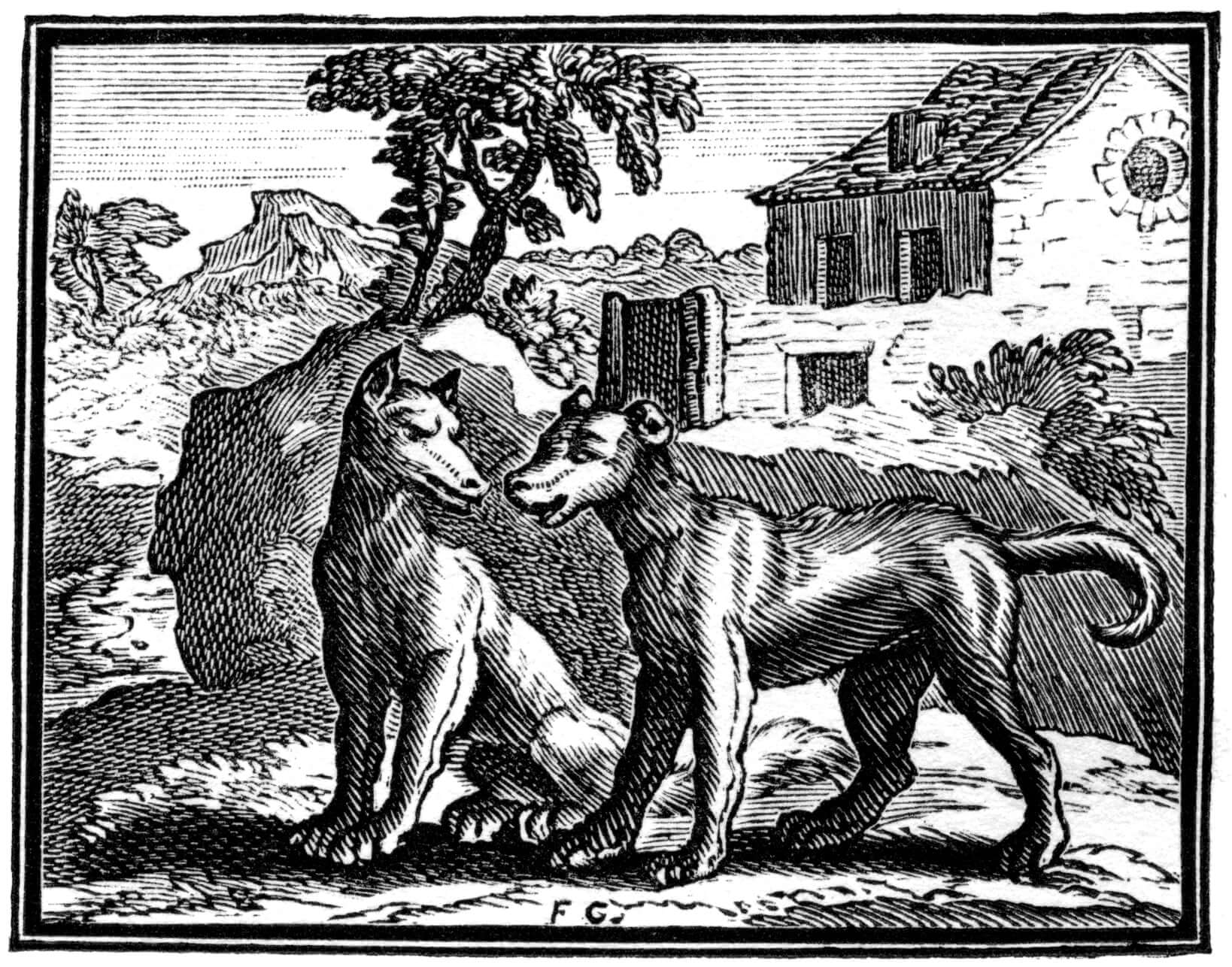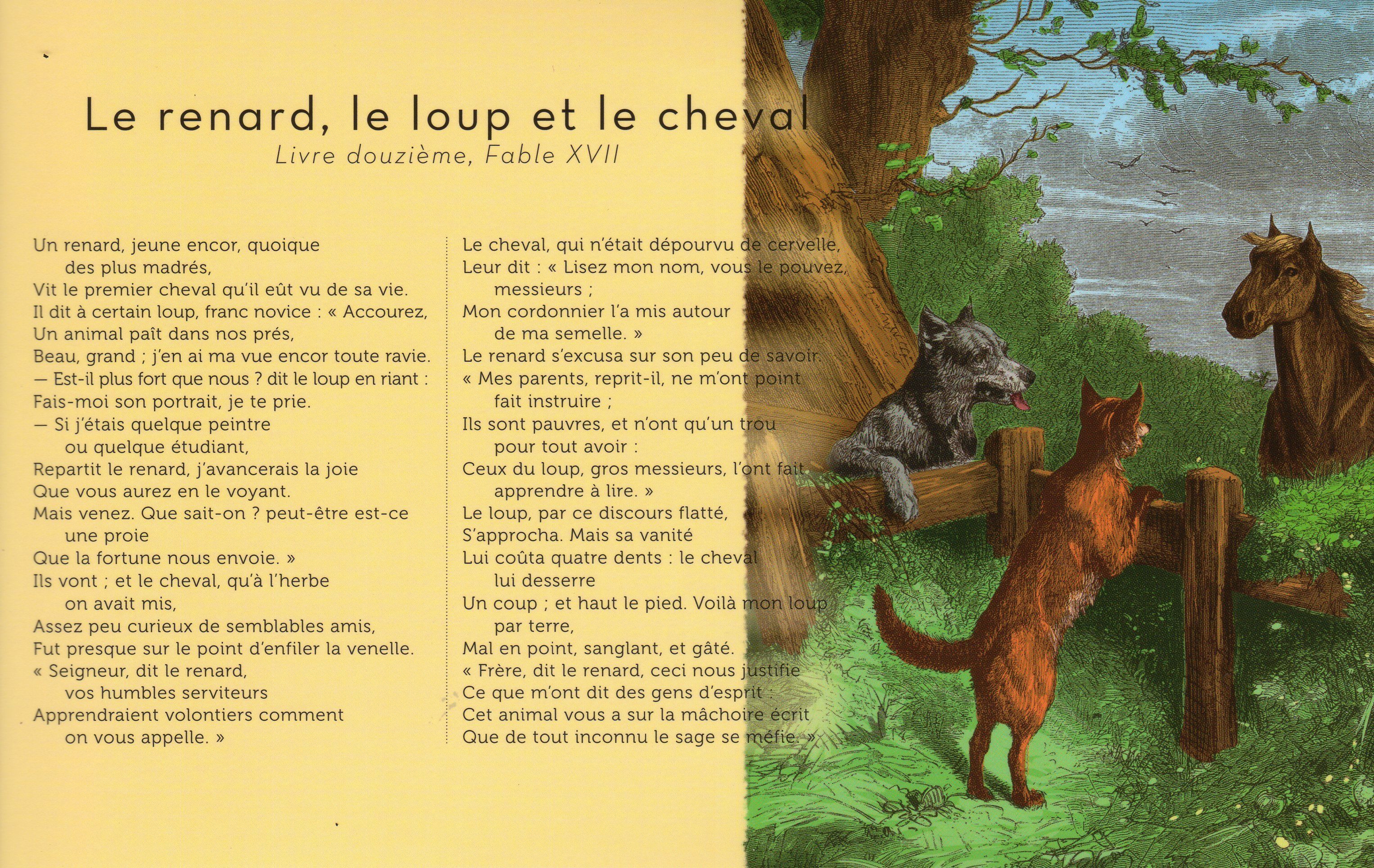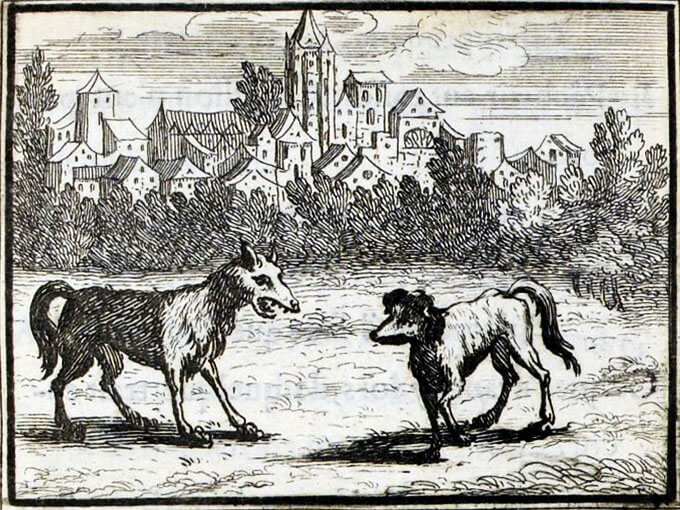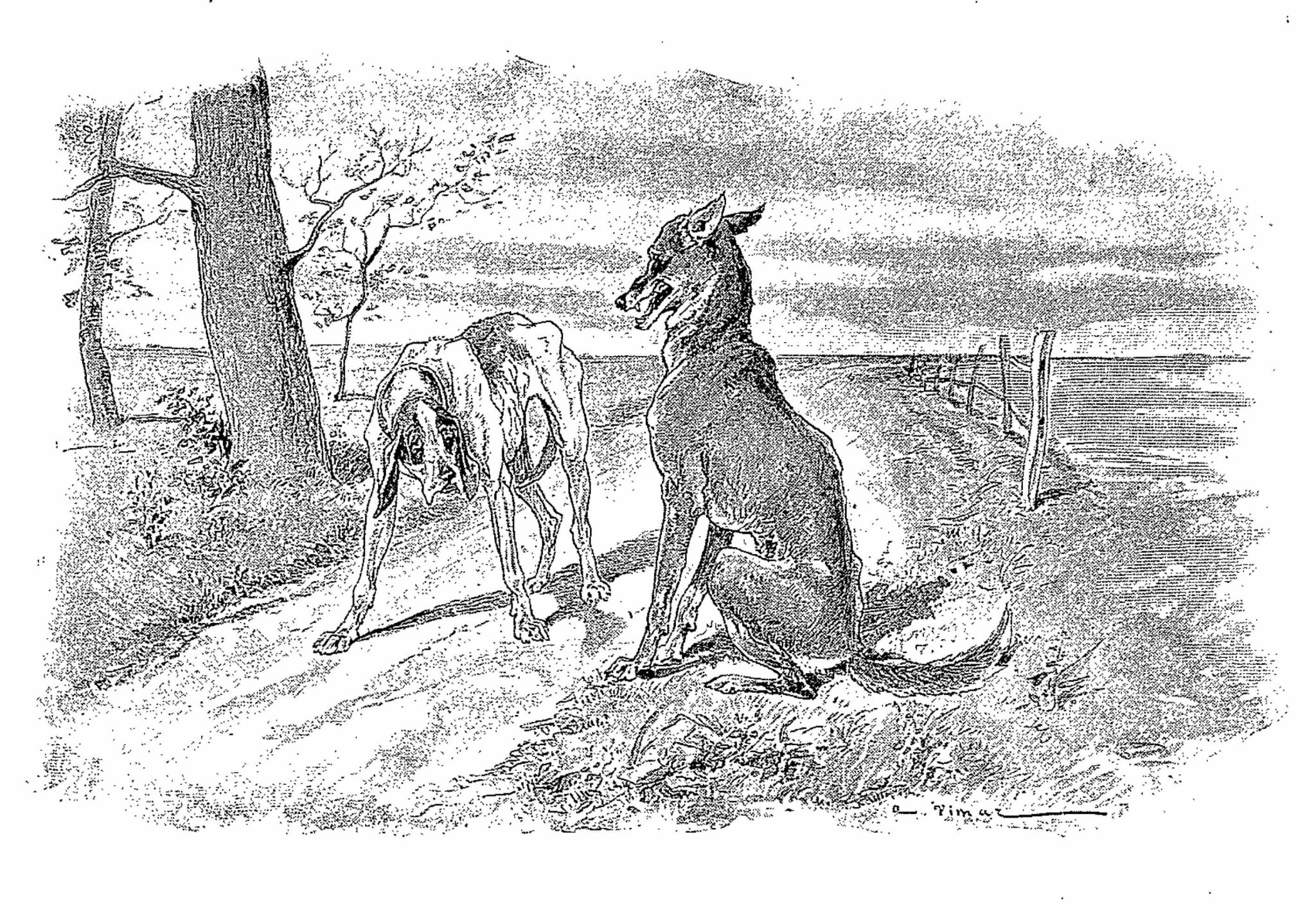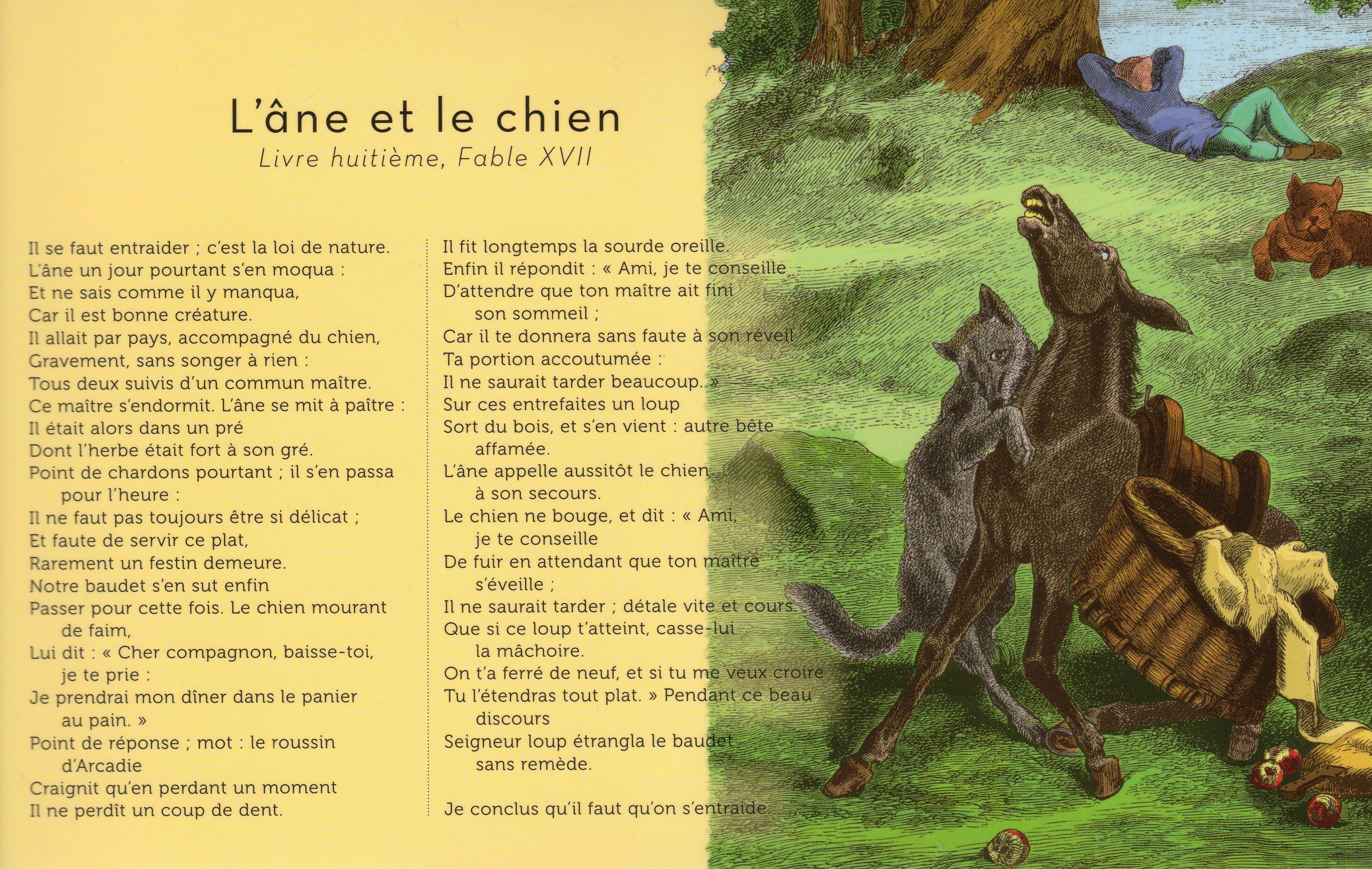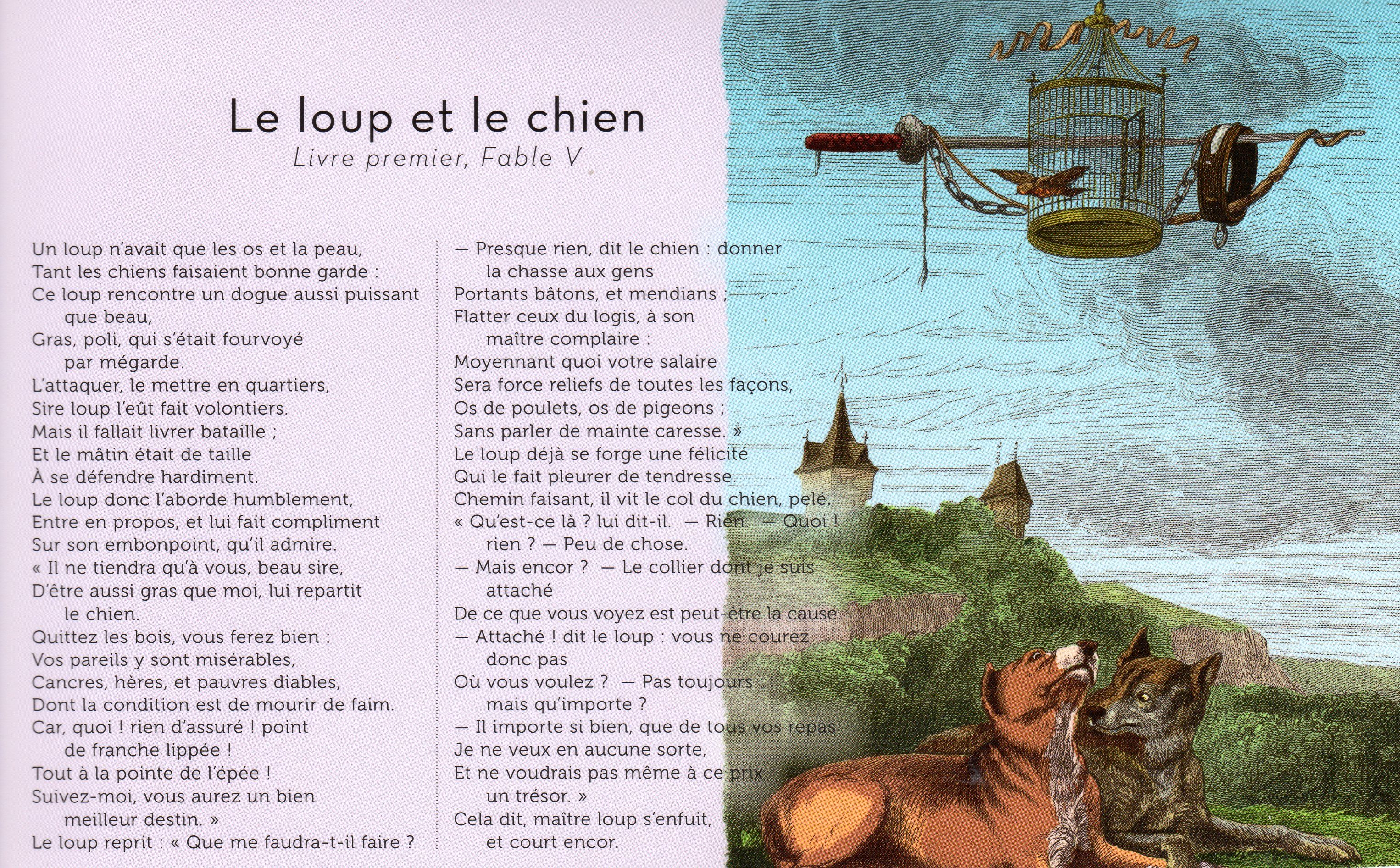
Okay, so picture this: I'm scrolling through my phone, procrastinating hard on actual work (don't judge!), and I stumble upon this old, kinda dusty book of French poems. Usually, poetry makes me want to immediately take a nap (sorry, poets!), but the title caught my eye: "Poésie Le Chat Le Loup Et Le Chien." A cat, a wolf, and a dog? Sounds like the beginning of a very bizarre, possibly adorable, children's story.
And then it hit me. Why is it that we see these animals so often in literature? Like, what’s the deal with cats being mysterious, wolves being… well, wolfish, and dogs being eternally loyal? It's not just random, is it? (Spoiler alert: it's probably not.)
Let's dive into this furry (and maybe slightly dangerous) topic, shall we?
The Usual Suspects: Why These Animals?
First off, think about it. Cats, wolves, and dogs have been hanging around humans for, like, ever. They’re embedded in our history, our myths, our cultural consciousness. They're not just pets or wild creatures; they're symbols. Powerful symbols.
Cats, for instance, are often associated with independence, mystery, and even a touch of the supernatural. Think about it: slinking through the shadows, staring unblinkingly… they’re basically tiny, furry ninjas. You can't tell me you haven't felt a little intimidated by a cat's unwavering gaze. (I know I have!) It's probably why they’re always popping up in stories as magical familiars or aloof, enigmatic characters.
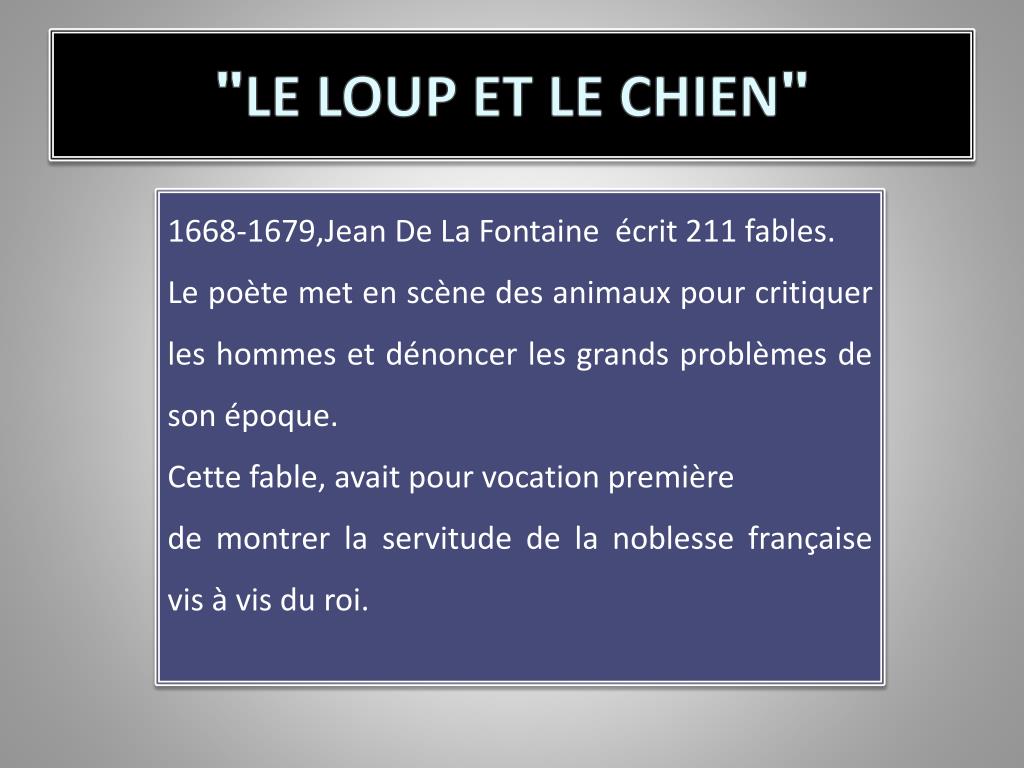
And then there’s the wolf. Ah, the wolf. The embodiment of the wild, the untamed, the… well, the potential for ripping you to shreds, I guess. But it's more than just scary teeth and howls. Wolves represent wilderness, freedom, and pack mentality. They're often seen as both fearsome predators and symbols of strong family bonds. Kind of a complicated resume, right? They're the edgy bad boys of the animal kingdom, perpetually misunderstood. (Or maybe not. Maybe they are just trying to eat us.)
Which brings us to the dog. Man’s best friend! Loyal, faithful, always happy to see you (even if you just went to the mailbox). Dogs are practically synonymous with unwavering devotion and unconditional love. They’re the goody-two-shoes of the animal trio. But let’s be honest, that's why we love them. They represent loyalty, companionship, and the simple joy of a wagging tail. Who doesn't want that in their life?

Beyond the Cuteness: Deeper Meanings
But wait, there's more! These animals aren’t just cute (or scary) faces. They often represent aspects of ourselves. The cat might symbolize our independence, the wolf our wilder instincts, and the dog our capacity for love and loyalty. Authors use them to explore complex themes like freedom vs. domestication, nature vs. nurture, and the duality of human nature.
See? It's not just random animal placement! It’s all symbolism, baby!
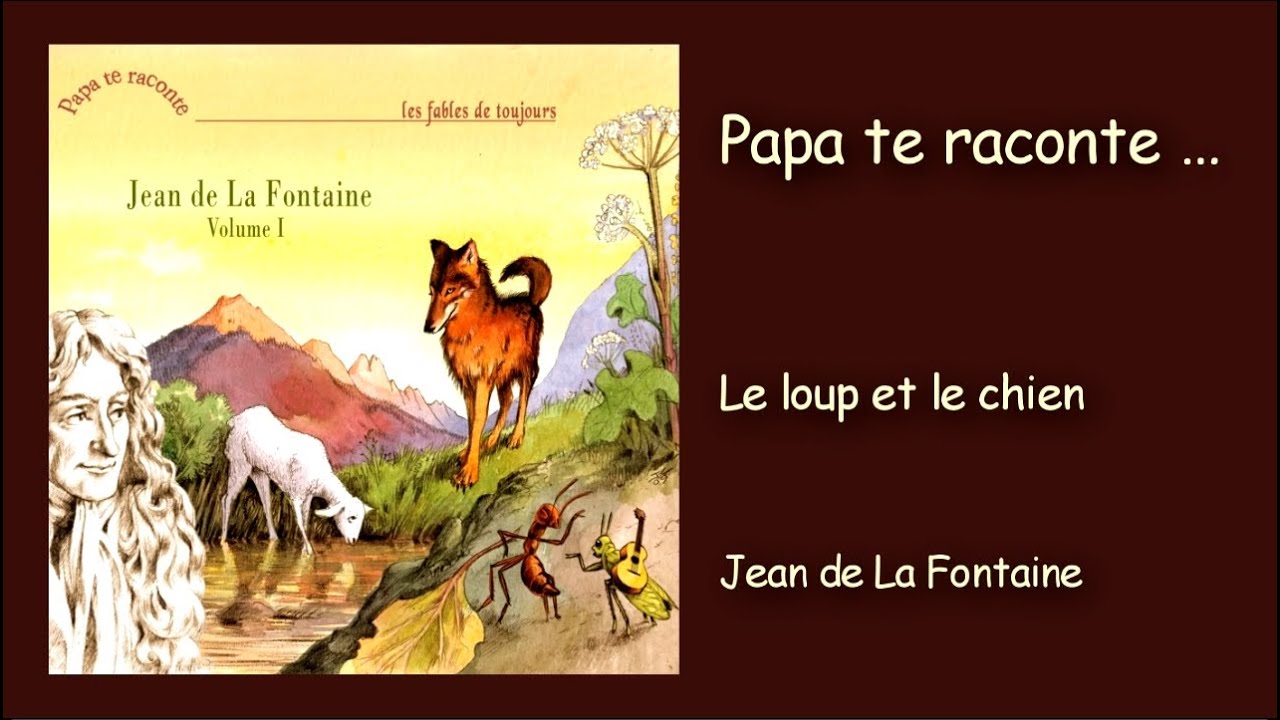
Think of Little Red Riding Hood. The wolf isn't just a hungry animal; he's a symbol of danger, temptation, and the potential for harm lurking beneath a seemingly harmless facade. Deep, right?
And what about those stories where the cat is a sly trickster, outsmarting everyone? (Garfield doesn’t count, by the way.) Or the dog that sacrifices everything for its owner? These aren't just animal stories; they’re explorations of human values and moral dilemmas.

So, What About That Poem?
Okay, back to "Poésie Le Chat Le Loup Et Le Chien." I haven't actually read it yet. (Oops!). But knowing what we now know about the symbolic weight these animals carry, I'm willing to bet it's not just a simple animal fable. It’s probably exploring some deep themes about freedom, loyalty, and the balance between our wild and domesticated sides. (Wish me luck decoding the French!).
Maybe, just maybe, poetry isn't so bad after all. (Don't tell anyone I said that.) Especially when it involves cats, wolves, and dogs. And who knows, maybe after reading this you'll see these animals in a new light the next time you encounter them in a book, movie, or even just on the street. (Or, you know, maybe you’ll just think about this article and smile. That works too!).
Now, if you'll excuse me, I have some French poetry to (attempt to) understand. Wish me luck!