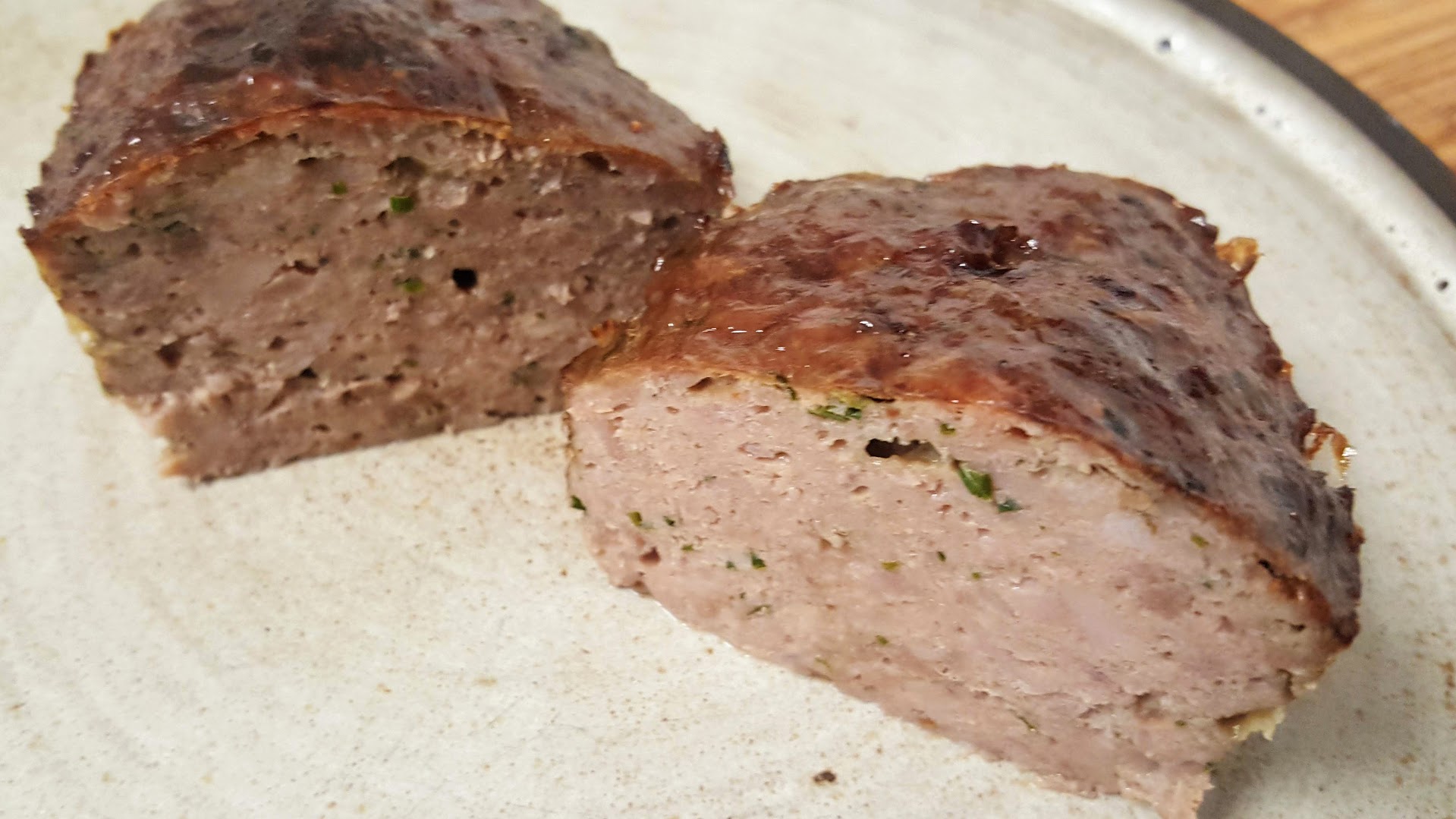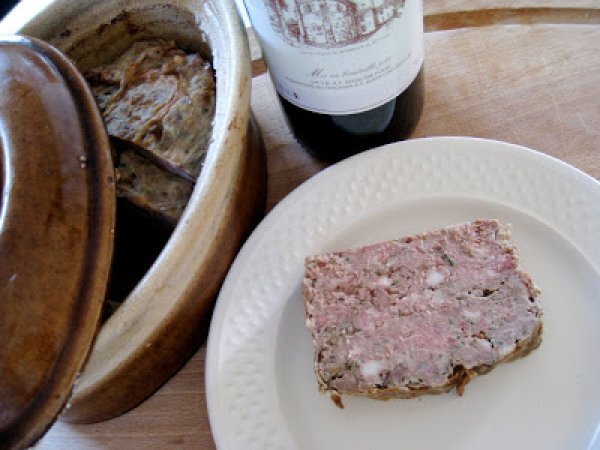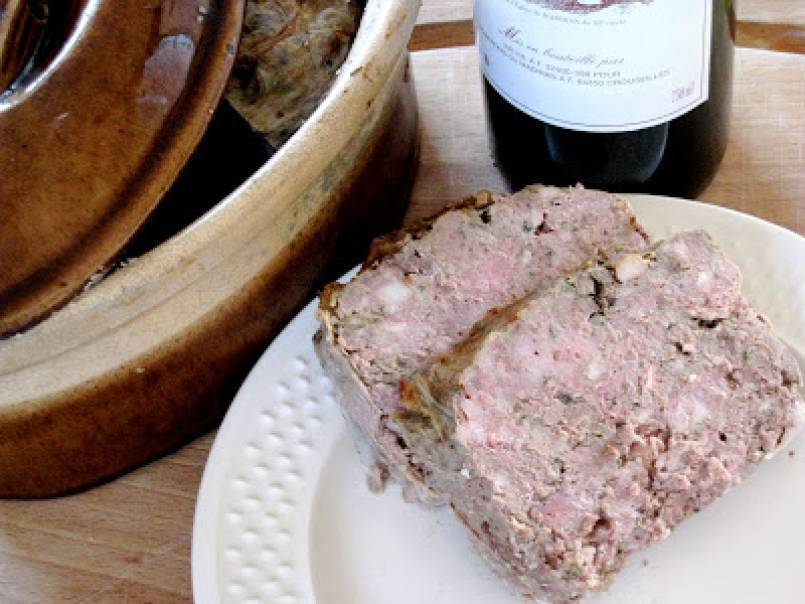
Okay, so picture this: it's a blustery autumn day. Leaves are swirling, the fire's crackling, and you're craving something...substantial. Not just any old sandwich, but something that whispers of the French countryside, of long lunches and convivial gatherings. That's exactly where I was last week. And, naturally, my brain went straight to pâté de campagne.
I've always been slightly intimidated by the idea of making my own pâté. It seemed like something only real chefs, the ones with spotless whites and an encyclopedic knowledge of charcuterie, could pull off. But then I thought, "Hey, what's the worst that could happen? Maybe a slightly misshapen, oddly textured…delicious disaster?" And honestly, that's a risk I'm always willing to take. Plus, let's be real, store-bought pâté can be... questionable. You never really know what went in there, do you? (Spoiler alert: sometimes you're better off not knowing.)
So, I dove in. And guess what? It wasn't nearly as scary as I thought! In fact, it was actually... fun! Plus, the bragging rights? Impeccable. "Oh, this? Just a little something I whipped up." cue nonchalant shrug Okay, maybe I exaggerate a bit. But seriously, homemade pâté de campagne is a total game-changer.
Let's Talk Ingredients: The Holy Trinity
Alright, let's get down to brass tacks. The heart of a good pâté de campagne lies in three crucial components: the meats! You'll need a blend, usually pork, but adding other meats is really going to take your pate to another level. Remember to check your sources to be 100% sure about where your products come from!
Pork: This is your base. I used a mixture of pork shoulder and fatty pork belly. The fat is essential. Don't skimp on it! It's what gives the pâté its moistness and rich flavor. (Seriously, embrace the fat. Your taste buds will thank you.)
Liver: Chicken liver adds a beautiful depth of flavor and creamy texture. Some recipes use pork liver, but I find chicken liver to be milder and more approachable, especially if you're new to pâté-making. If you like stronger tastes, go for the pork liver!
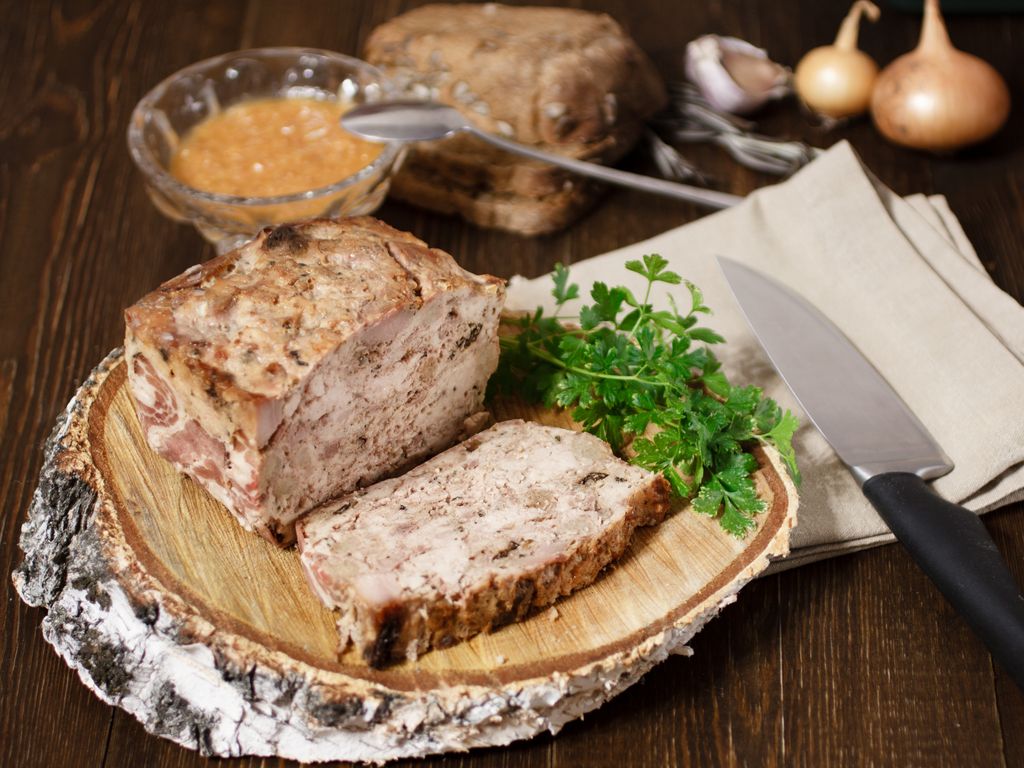
Other Meats (optional but highly recommended!): This is where you can get creative! I added some duck. It added a nice gaminess and complexity. You could also use veal or even some cured ham for a salty kick. Just be mindful of the overall flavor profile – you want everything to complement each other. A bit like composing a symphony, but with meat.
The Secret Sauce: Seasoning is Key
Now, the meats are important, but the seasoning is what really elevates your pâté. Don't be shy! A generous hand with the spices is key. Here are the essentials:
Salt: Of course! This is a preservative as well as a flavor enhancer. Use good quality sea salt. And don’t be afraid to taste and adjust as you go. You want the mixture to be well-seasoned before it goes into the oven.
Black Pepper: Freshly cracked, of course! It adds a nice bite and complements the richness of the meat. A little goes a long way, though, so start with a teaspoon and add more to taste.
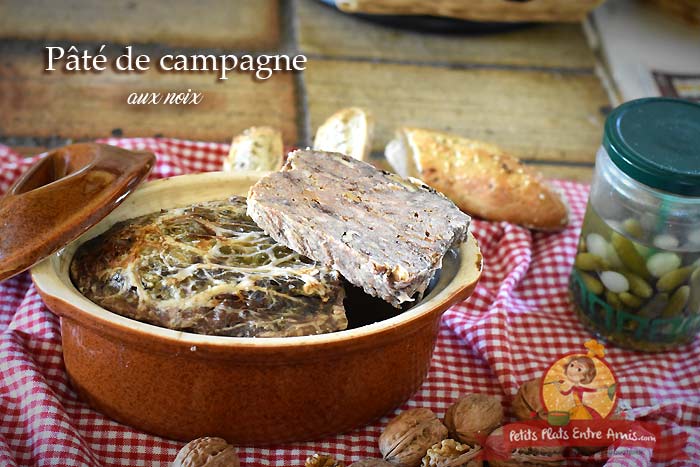
Garlic: Because everything is better with garlic, right? I used several cloves, minced finely. Feel free to roast them first for a milder, sweeter flavor.
Herbs: Thyme and bay leaf are classic choices. They add a lovely earthy aroma. I also threw in some fresh parsley for a bit of brightness.
Alcohol: Ah, the secret ingredient! A splash of Cognac or Armagnac adds a wonderful warmth and complexity. Don't worry, the alcohol will cook off, leaving behind just the flavor. You can also use white wine or even a splash of apple brandy.
Nitrite Salt (aka Cure #1): This is crucial for preventing botulism and giving the pâté its characteristic pinkish color. Don't skip it! You can find it at most butcher shops or online. Always follow the manufacturer's instructions carefully.
The Process: From Grind to Glorious
Once you have all your ingredients assembled, the process is relatively straightforward:
1. Grind the meats: You'll need a meat grinder for this. Grind the pork, liver, and other meats through a coarse die. Then, grind them again through a finer die for a smoother texture. If you don't have a meat grinder, you can use a food processor, but be careful not to overprocess the mixture.
2. Mix everything together: In a large bowl, combine the ground meats, seasonings, herbs, and alcohol. Mix well with your hands (yes, get in there!) until everything is evenly distributed. This is where you can really get a feel for the texture of the mixture. It should be moist and slightly sticky.
3. Pack it into a terrine: Line a terrine dish with bacon slices (optional, but highly recommended!). Then, pack the meat mixture tightly into the terrine. Press down firmly to eliminate any air pockets. Top with more bacon slices, if desired. (Because bacon.)

4. Bake in a water bath: Place the terrine in a larger baking dish and fill the dish with hot water, reaching about halfway up the sides of the terrine. This creates a gentle, even cooking environment. Bake in a preheated oven at 325°F (160°C) for about 2-3 hours, or until the internal temperature reaches 155°F (68°C). A probe thermometer is your best friend here.
5. Chill and wait: This is the hardest part. Once the pâté is cooked, let it cool completely, then refrigerate it for at least 24 hours, or preferably 48 hours. This allows the flavors to meld and the texture to firm up. Trust me, it's worth the wait!
Serving Suggestions (and a Final Brag)
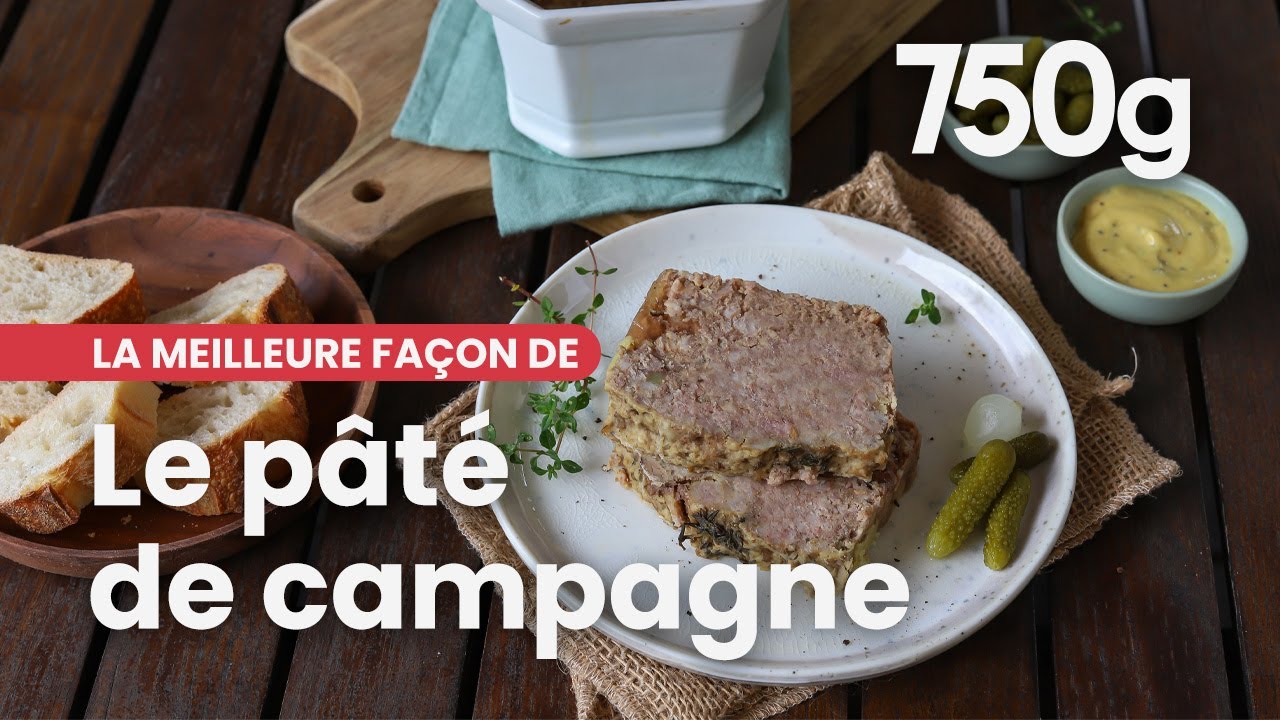
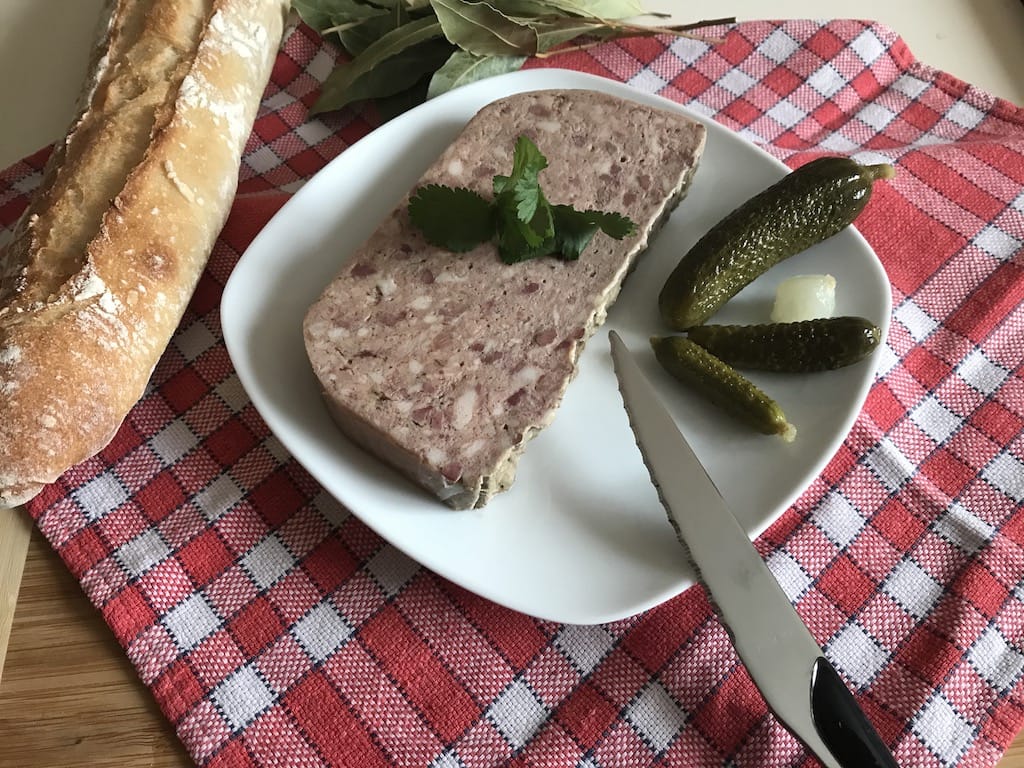
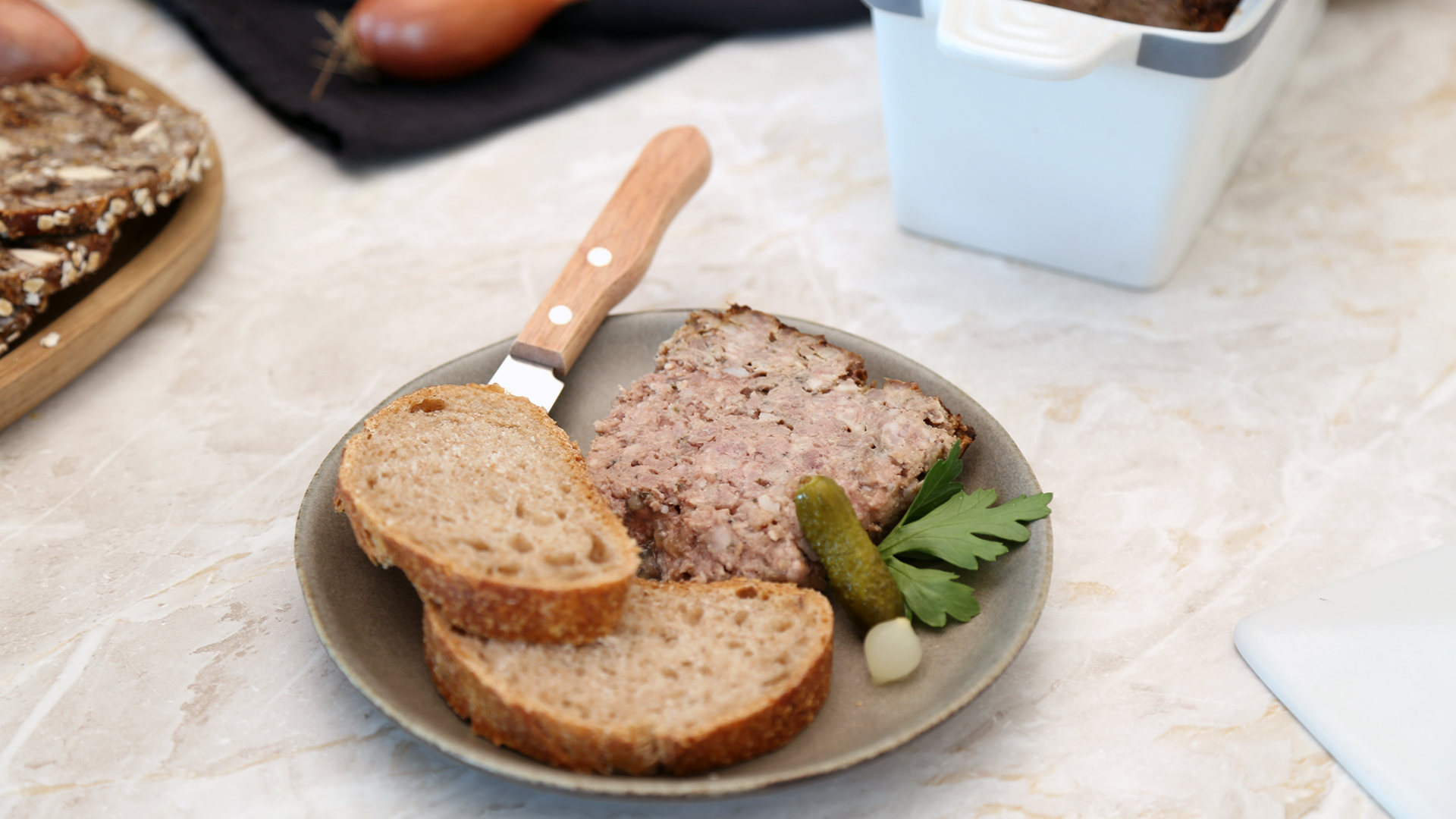
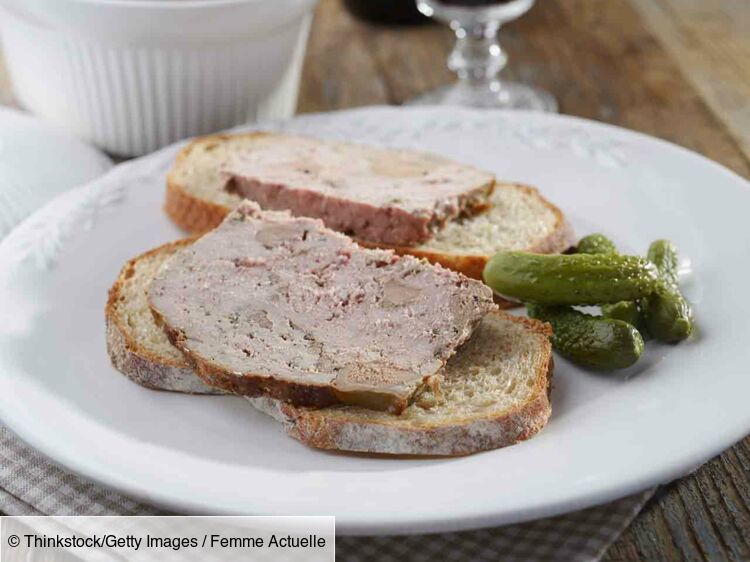
Finally! Your homemade pâté de campagne is ready to be devoured. Serve it chilled with crusty bread, cornichons, and a dollop of Dijon mustard. A glass of crisp white wine or a light-bodied red would be the perfect accompaniment.
And there you have it! Your very own slice of French countryside, right in your kitchen. Seriously, folks, this recipe is a winner. Try it. Impress your friends. Impress yourself. And most importantly, enjoy! Bon appétit!